
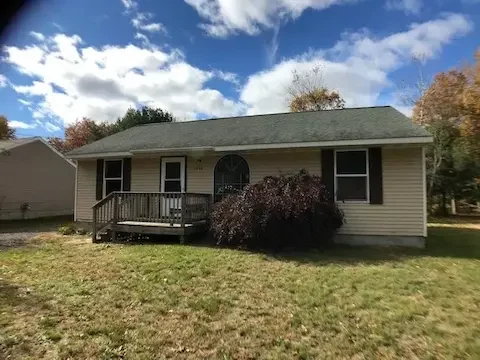
What You Must Know Before Handling an Inherited Home in Grand Rapids
You’re searching for what to do with an inherited house in Grand Rapids because you’re feeling pulled in multiple directions. There’s the emotional connection to the property, the weight of family expectations, and the fear of making the wrong financial decision. Maybe the home belonged to someone you cared about, and walking through the rooms brings back memories, not just value calculations. Maybe siblings disagree about whether to sell, rent, or hold onto the house. Maybe you live out of state and feel overwhelmed about managing a property in Michigan from hundreds of miles away.
You are trying to understand real costs, real risks, and real timelines so you can make a smart, fast, and stress-free decision. You want someone to tell you the truth — not just vague advice — but the actual numbers, the hidden obligations, and the realistic outcomes of each option. You want clarity so you can finally stop wondering “What now?” and move forward with confidence. This guide gives you exactly that.
What to Do With an Inherited House in Grand Rapids: Sell, Rent, or Keep?
Inherited homes in Grand Rapids create both opportunity and obligation. Grand Rapids has one of Michigan’s strongest real estate markets, with median prices rising 18%–24% over the past 5 years. But at the same time, the city has an aging housing stock — over 61% of homes were built before 1970 — which means inherited properties often need major updates.
This creates three main paths for heirs:
- Sell the inherited home
- Rent the inherited property
- Keep the inherited home long-term
Each has benefits. Each has hidden disadvantages. Each affects your finances, stress levels, taxes, and future differently.
Below is the complete breakdown you need to make the right decision.
Selling an Inherited House in Grand Rapids
Selling an inherited house in Grand Rapids is the most common and practical choice for heirs because it gives clarity, simplicity, and immediate closure. Selling is especially smart when the home has deferred maintenance, when probate will take months, or when heirs live far away.
Why Selling is Usually the Easiest Path
✔ 1. Selling Eliminates Monthly Expenses Immediately
Inherited homes cost more than most people expect.
In Grand Rapids, the average monthly holding costs include:
- Property taxes: $280–$480
- Utilities (gas/electric/water): $150–$300
- Home insurance: $90–$150
- Lawn care: $80–$150
- Snow removal: $120–$300 per event
- Maintenance/repairs: $150–$400
- Mortgage (if applicable): $800–$1,400
Even without a mortgage, most inherited homes cost $1,500–$2,300 per month to hold.
Over 6 months, that’s $9,000–$13,800 gone.
✔ 2. Selling Avoids Repair Costs
Most inherited homes in Grand Rapids need updates because:
- Michigan weather damages roofs
- Older HVAC systems are inefficient
- Foundation cracks are common in older neighborhoods
- Electrical systems often need code updates
Typical repair costs:
| Repair Type | Average Cost |
|---|---|
| Roof replacement | $7,000–$15,000 |
| Furnace | $4,000–$7,800 |
| Water heater | $800–$1,600 |
| Foundation repair | $2,000–$12,000 |
| Kitchen updates | $8,000–$25,000 |
| Cleaning/junk removal | $1,000–$3,500 |
✔ 3. Selling Prevents Probate Delays
Grand Rapids inherited homes often face 3–12 months of probate.
During that time, bills continue. Taxes continue. Repairs continue.
Selling quickly avoids thousands in wasted money.
✔ 4. Selling Prevents Family Disagreements
Nothing causes conflict faster than money, property rights, and sentimental attachment. Selling resolves disputes quickly by:
- Giving everyone a clear exit
- Allowing equal distribution
- Avoiding fights over repairs or renting
✔ 5. Selling Gives Emotional Closure
Many heirs find it difficult to maintain a house filled with memories.
Selling provides peace, clarity, and the ability to move forward.
Renting an Inherited House in Grand Rapids
Renting an inherited house in Grand Rapids may seem appealing because of passive income — but in reality, it requires significant time, money, and management.
True Rental Income Numbers in Grand Rapids
Average rent for a 3-bedroom home in Grand Rapids: $1,450–$1,950/month
But your real income is much lower due to:
● Property Management Fees (8–12%)
If rent is $1,800/month, management costs $144–$216/month.
● Vacancy Costs
Expect 1–2 months of vacancy per year, costing:
- $1,450–$3,900 annually
● Maintenance Repairs (10–18% of rent)
If rent is $1,800/month:
- $180–$324/month goes toward repairs
● Tenant Turnover
Every turnover costs:
- $1,000–$3,000 in cleaning, repairs, painting
● Capital Repairs
Heat pump: $4,500–$8,000
Roof: $7,000–$15,000
These numbers mean a property renting for $1,800 often nets only $1,100–$1,250/month.
Why Renting Is Often Not Worth It
⚠ 1. Being a Landlord Is a Job, Not Passive Income
You deal with:
- Tenant screening
- Repairs
- Late-night calls
- Fair housing laws
- Eviction laws
- City rental inspections
- Judgments for unpaid rent
⚠ 2. Landlords in Grand Rapids Must Follow Strict Rules
Grand Rapids requires:
- Rental certification
- Regular inspections
- Registration fees
- Lead-based paint compliance
- Occupancy limits
- Safety updates
⚠ 3. Renting Creates Liability
If someone gets injured on the property, you’re responsible.
⚠ 4. Renting Can Damage Family Relationships
Siblings rarely want equal responsibility for:
- Repairs
- Tenant problems
- Vacancies
- Money management
One heir always ends up doing more work.
⚠ 5. Rental Properties Require Long-Term Commitment
If you don’t want to manage a house for the next 5–10 years, renting is not for you.
Renting only makes sense when:
- The home is updated
- You live near Grand Rapids
- You are financially stable enough to handle unexpected repairs
- You want long-term landlord responsibilities
Otherwise, renting will become a stress source, not an income source.
For heirs exploring faster alternatives to renting or repairing an inherited home, it can be helpful to see how other experienced buyers handle as-is sales. Platforms like Property Buyer Today provide additional insights into quick-sale timelines, cost savings, and what inherited-home sellers can expect when avoiding the traditional listing process.
Keeping an Inherited House in Grand Rapids
Keeping an inherited home in Grand Rapids feels emotionally right — but financially wrong for most heirs.
Real Costs of Keeping the Home
Annual cost breakdown:
- Property taxes: $3,200–$5,500
- Insurance: $1,200–$2,000
- Utilities: $2,000–$3,600
- Lawn & snow: $1,000–$2,000
- General repairs: $1,500–$5,000
- Major repairs: $5,000–$20,000
Total yearly cost: $8,900–$18,100+
This does NOT include mortgage payments (if the home still has a loan).
Factors to Consider Before Keeping the Home
✔ 1. Do You Want to Live in It?
If not, keeping it creates unnecessary expense.
✔ 2. Is the Home Ready for Long-Term Ownership?
Older homes need constant maintenance.
✔ 3. Are All Heirs in Agreement?
If one sibling wants to keep it, and others want to sell — conflict is guaranteed.
✔ 4. Do You Have Time to Maintain It?
Keeping a home means never-ending responsibilities:
- Leaks
- Furnace issues
- Insurance claims
- Yard maintenance
- Snow removal
- Code compliance
- Utility management
✔ 5. Do You Understand Property Taxes in Michigan?
Inheriting a home can trigger uncapping, increasing taxes 25%–60% in some cases.
Keeping the home is the right decision only when:
- You truly want to live in it
- You can afford long-term upkeep
- The home is in great condition
- All heirs fully agree on the plan
Otherwise, keeping it becomes a costly burden.
Best Option for Most Heirs
The best option for most heirs in Grand Rapids is to sell the inherited home, especially when the property needs repairs, when multiple heirs are involved, or when you live out of the area.
Why Selling Makes Sense for Most People
- No repair costs
- No landlord responsibilities
- Immediate cash
- No sibling disputes
- No long-term obligations
- No property tax increases
- No risk of market downturn
The Emotional Side of Selling
Selling provides closure — something many heirs deeply need.
You release:
- The burden of memories
- The guilt of holding onto a home you don’t want
- The stress of managing an aging property
- The pressure of probate timelines
- The conflict caused by sibling disagreements
To understand the full process, including probate timelines, taxes, repairs, and the fastest ways to sell, you can read this complete guide on how to sell an inherited house fast in Southwest Michigan, which breaks down everything you need to know before making a final decision.
FAQ: What to Do With an Inherited House in Grand Rapids
1. What’s the smartest first step when you inherit a house in Grand Rapids?
The smartest first step when you inherit a house in Grand Rapids is to confirm whether the property must go through probate. Over 70% of inherited homes in Michigan require it, and probate determines what you legally can or cannot do next. After that, check the home’s condition, unpaid bills, mortgage balance, and tax status. This prevents surprises and helps you figure out whether selling, renting, or keeping the home makes sense.
2. Do I need probate before selling an inherited house in Grand Rapids?
You usually need probate before selling an inherited house in Grand Rapids unless the property was in a trust, had a Lady Bird Deed, or had joint ownership. Probate in Kent County typically takes 3–12 months. During this time, taxes, utilities, and maintenance continue, which can cost $1,500–$2,300 per month until the home can legally be sold.
3. What’s better: selling an inherited house or fixing it up first?
Selling an inherited house is usually better than fixing it up because most Grand Rapids homes are 40–60+ years old and need expensive updates. Michigan repair averages include: roofs ($7k–$15k), HVAC ($4k–$7.8k), foundation repair ($2k–$12k). If you want speed, certainty, or have multiple heirs involved, selling the home as-is is almost always the better financial and emotional choice.
4. How much does it cost to keep an inherited house in Grand Rapids?
Keeping an inherited house in Grand Rapids generally costs $8,900–$18,100 per year, not including major repairs. Typical yearly expenses include:
- Property taxes: $3,200–$5,500
- Insurance: $1,200–$2,000
- Utilities: $2,000–$3,600
- Lawn & snow: $1,000–$2,000
- Repairs: $1,500–$5,000
Keeping the home only makes sense if you plan to live in it or can comfortably absorb these costs.
5. Is renting an inherited house in Grand Rapids a good idea?
Renting can be good only if the home is updated, meets city rental compliance rules, and you’re prepared for long-term landlord responsibilities. After management fees, repairs, and vacancies, landlords in Grand Rapids typically net only $1,100–$1,250/month from a $1,800 rental. Renting becomes stressful if the home is older, needs updates, or if multiple heirs must share management duties.
6. Can multiple heirs sell an inherited house together?
Yes. Multiple heirs can sell an inherited house together, but everyone must agree or give authority to the estate’s personal representative. Disagreements over repairs, pricing, or timing often delay probate and can extend the selling process by months. Clear communication or legal mediation is sometimes necessary.
7. What taxes will I owe when selling an inherited property in Grand Rapids?
Most heirs owe little or no capital gains tax thanks to the IRS step-up in basis rule, which resets the property’s tax value to the market value on the date of inheritance. You may still pay Michigan property transfer taxes and minor court fees, but selling sooner usually avoids bigger tax complications and rising property expenses.
8. Can I sell an inherited house in Grand Rapids if it needs repairs?
Yes. You can sell an inherited home as-is even if it needs major repairs or updates. Grand Rapids homes built before 1978 often have outdated roofing, electrical systems, plumbing issues, and lead-based paint hazards. As-is selling avoids repair bills that commonly total $10k–$30k.
9. Can I sell an inherited house in Grand Rapids if I live out of state?
Yes. Out-of-state heirs can sell an inherited home in Michigan without traveling. Michigan allows remote closings, e-signatures, and mail-away documents. Many heirs living in Illinois, Indiana, and Ohio choose to sell quickly because long-distance management becomes expensive and complicated.
10. How do I decide whether to sell, rent, or keep an inherited property?
You decide by evaluating three things:
- Cost — Can you afford $1,500–$2,300/month in holding costs?
- Condition — Does the home need $10k–$30k in repairs?
- Time — Do you want landlord responsibilities or long-term upkeep?
If any of these answers are “no,” selling the home is usually the most logical and least stressful option.
Conclusion: What You Should Consider Next
Deciding what to do with an inherited house in Grand Rapids is never simple — especially when emotions, family dynamics, repair costs, and legal steps all collide at once. Whether the home is full of memories, needs major updates, or is becoming a financial drain because of taxes, utilities, and maintenance, the pressure to make the “right” choice can feel overwhelming. Selling, renting, and keeping the home each come with real advantages, but they also come with risks, hidden expenses, and long-term responsibilities that most people don’t expect.
For many heirs, selling becomes the most practical option — not because they don’t value the home, but because it frees them from months of costs, avoids disagreements with siblings, and removes the burden of repairs and landlord duties. Renting requires constant management and ongoing investment. Keeping the home requires thousands each year in maintenance. Selling, however, gives clarity, closure, and the ability to move forward without stress.
If you’ve weighed the options and want the simplest, fastest, and most predictable path forward, I Buy SW MI can help you review your choices and make the process easy. Whether the home needs repairs, is still in probate, or is full of belongings, you can get honest guidance and a fast resolution without complications.