
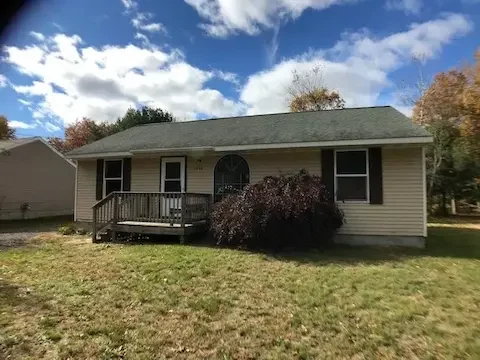
Selling a house during probate can be a complex, lengthy, and often emotionally challenging process. Probate occurs after a homeowner passes away, and it is the legal procedure through which the deceased person’s debts are settled, and assets are distributed to heirs or beneficiaries. For families in Traverse City, MI, understanding the probate process before attempting to sell a home is essential. Selling a probate property without proper knowledge can result in delays, legal issues, or reduced sale value. This guide explains everything you need to know about selling a house during probate, including steps, timelines, costs, challenges, and strategies to sell efficiently—even to cash buyers.
What Is Probate?
Definition of Probate
Probate is a legal process that validates a deceased person’s will, settles outstanding debts, and distributes the remaining assets to heirs or beneficiaries. In Michigan, probate can be required whether a person passes away with a will (testate) or without a will (intestate). Probate ensures that the estate is administered legally and fairly.
During probate, the court oversees the appointment of an executor or personal representative who manages the estate. This process protects the interests of heirs, creditors, and other parties involved. It also ensures that the property is sold in compliance with state law, providing legal protection for both sellers and buyers. Probate is not only a legal requirement but also a necessary step to ensure the proper transfer of property ownership.
Why Probate Matters in Real Estate
Selling a property during probate is different from selling a typical property. Several factors make probate real estate sales unique:
- Executor Responsibility: The executor is legally responsible for managing the estate and making decisions about property sales.
- Court Oversight: Most probate sales require court approval to ensure the transaction is fair and transparent.
- Heir Consent: All beneficiaries may need to agree to the sale or the court may intervene if disputes arise.
- Property Condition: Probate homes are often older or in need of repairs, which can affect their marketability.
Understanding these factors is crucial for a smooth and successful sale. Executors and heirs must be prepared to navigate legal requirements while making practical decisions about the property.
Steps to Sell a Probate Home in Traverse City, MI
Selling a probate property involves multiple steps, each with its own legal and logistical considerations. Below is a detailed table summarizing the process:
| Step | Description | Estimated Time |
|---|---|---|
| 1. Appoint Executor | The probate court appoints an executor or personal representative to manage the estate and make decisions regarding property sales. | 1–2 weeks |
| 2. Obtain Probate Approval | The court verifies the executor’s authority to sell the property. This step ensures that the sale complies with legal requirements. | 2–4 weeks |
| 3. Property Valuation | A professional home appraisal determines the current market value of the property. This valuation helps set a fair selling price. | 1–2 weeks |
| 4. Prepare House for Sale | The home may require cleaning, minor repairs, or staging to make it appealing to buyers. | 1–3 weeks |
| 5. List or Offer for Sale | Choose whether to sell via a traditional real estate listing or directly to cash buyers. | 2–6 weeks |
| 6. Court Approval for Sale | The probate court reviews the terms of the sale to ensure fairness and may require confirmation from all heirs. | 1–4 weeks |
| 7. Close the Sale | Complete the final paperwork, transfer the property title, and distribute funds to heirs as directed by the court. | 1–2 weeks |
Following these steps carefully ensures the probate sale proceeds legally, efficiently, and with minimal conflict among heirs or other parties.
Options for Selling a Probate Property
Executors and heirs have two main options when selling a probate property: listing traditionally on the market or selling to cash buyers. Each option has advantages and disadvantages depending on your timeline, property condition, and financial goals.
Traditional Listing
A traditional real estate listing involves selling the home through a realtor on the open market.
Advantages:
- Potentially higher sale price due to broader market exposure.
- Opportunity to negotiate with multiple buyers for better offers.
- Buyers may pay full market value if the house is well-maintained and appealing.
Disadvantages:
- Longer timeline, often several months, which can prolong probate proceedings.
- Requires repairs, cleaning, and staging, which may be costly and time-consuming.
- The emotional toll of showings and negotiations can be stressful for heirs.
Traditional listings are ideal for estates with time flexibility and a desire to maximize financial returns. However, the process can be slowed by court approvals, multiple heirs, and property preparation.
Selling to Cash Buyers
Selling to cash buyers is becoming increasingly popular for probate properties. Cash buyers purchase homes quickly, often as-is, without requiring extensive repairs or lengthy negotiations.
Advantages:
- Quick closing, sometimes within days or a few weeks.
- Property can be sold “as-is,” avoiding the cost and effort of repairs.
- Reduced legal and logistical complications, especially with multiple heirs.
Disadvantages:
- Sale price may be lower than listing on the open market.
- Some buyers may initially offer below market value, requiring careful negotiation.
For probate sellers in Traverse City, MI, cash buyers often provide a practical solution, particularly for estates that need a fast sale or are facing urgent financial matters such as outstanding debts, mortgages, or taxes.
Common Challenges When Selling During Probate
Selling a probate property presents several unique challenges that can make the process more complex than standard real estate transactions. Understanding these challenges allows sellers to prepare and reduce delays or legal issues.
- Legal Complexities: Probate involves court oversight, executor responsibilities, and strict compliance with Michigan probate laws. Mistakes can lead to delays or court intervention.
- Property Condition: Probate homes are often older or in need of repairs. Some may require significant cleaning, maintenance, or updates to attract buyers.
- Timeline Constraints: Probate sales can take months due to court approvals and administrative requirements, which may be longer than traditional home sales.
- Emotional Stress: Selling a loved one’s home can be emotionally taxing for heirs, who may face difficult decisions about timing, pricing, and distribution of proceeds.
Awareness of these challenges allows executors and heirs to plan better, communicate effectively, and avoid unnecessary complications.
Tips for a Smooth Probate Home Sale
Proper planning and execution are essential for a successful probate sale. The following tips can help make the process smoother and faster:
- Hire a Probate-Experienced Professional
Work with attorneys, real estate agents, or advisors familiar with Michigan probate laws and courthouse procedures, including the executor’s fiduciary duties and responsibilities. For a detailed overview of executor duties in Michigan probate, see this guide on the role of an executor. - Get a Home Appraisal Early
A professional valuation helps set a fair price and avoids disputes among heirs or with buyers. - Keep Heirs Informed
Regular communication with all beneficiaries minimizes conflicts and ensures everyone understands the process and timeline. - Consider Selling As-Is
Selling directly to cash buyers removes the need for costly repairs or staging, which can save time and reduce stress. - Follow Court Requirements
Adhering to filing deadlines, publishing notices, and obtaining necessary approvals ensures the sale proceeds without legal interruptions. - Document Everything
Keep copies of all correspondence, court approvals, and property records. Proper documentation protects the executor and heirs in case of disputes.
Probate Home Sale Timeline in Traverse City, MI
The timeline for selling a probate property depends on several factors, including property condition, court schedules, and the number of heirs. The following breakdown provides an estimate of each step:
- Executor Appointment: 1–2 weeks
- Court Authorization to Sell: 2–4 weeks
- Property Preparation (Cleaning & Repairs): 1–3 weeks
- Listing or Cash Sale Negotiation: 2–6 weeks
- Court Approval of Sale: 1–4 weeks
- Closing & Title Transfer: 1–2 weeks
Total Estimated Time: 3–12 months
For more detailed information on the probate process and typical timelines, you can visit FindLaw’s Probate Process and Timeline guide.
Factors that can accelerate or delay the process include:
- Court backlog or scheduling delays.
- Property condition and whether repairs are needed.
- Agreement among heirs on sale method and price.
- Market conditions and demand for homes in Traverse City.
Understanding these factors allows sellers to plan realistically and set expectations for the probate process.
Probate Sale Costs
Selling a probate home involves various costs that should be considered when planning the sale. The table below outlines typical expenses:
| Cost Type | Typical Amount | Notes |
|---|---|---|
| Court Fees | $100–$500 | Filing and probate approval fees |
| Executor Fees | 2–5% of estate value | Paid to the executor for managing the estate |
| Realtor Commission | 5–6% | Applicable if listing traditionally on the market |
| Repairs & Staging | $500–$5,000 | Optional, depending on property condition |
| Miscellaneous | Varies | Appraisal fees, legal documents, title insurance |
Careful budgeting ensures heirs and executors are prepared for all financial aspects of a probate sale and reduces the risk of surprises during the process.
How to Get the Best Cash Offer During Probate
Cash buyers are a popular choice for probate properties because they can purchase quickly and as-is. To maximize value and ensure a fair transaction:
- Compare Multiple Offers: Receiving multiple offers allows you to negotiate for the best price and terms.
- Highlight Property Strengths: Even as-is homes may have appealing features such as location, lot size, or unique architecture.
- Understand Market Value: An independent appraisal ensures cash offers are reasonable and competitive.
- Negotiate Court Approval Timing: Some buyers can expedite the court approval process, allowing for a faster closing.
These strategies help executors and heirs sell efficiently while ensuring they receive a fair price.
Legal Considerations in Probate Home Sales
Selling a probate property in Michigan requires strict adherence to state laws and court oversight. Key legal considerations include:
- Executor Authority: Only the appointed executor or personal representative can authorize the sale.
- Heir Consent: All beneficiaries may need to agree, or the court may intervene if disputes arise.
- Court Filings: Notices of sale may need to be published, and documentation submitted to the probate court.
- Title Transfer: Ensuring the property is properly transferred protects the buyer and validates the sale legally.
Failure to follow these legal requirements can result in delays, lawsuits, or financial penalties, making legal guidance essential.
Probate Sale Documentation Checklist
To avoid delays and complications, ensure the following documents are prepared before selling:
- Death certificate of the deceased homeowner
- Letters testamentary or letters of administration
- Property deed and mortgage information
- Home appraisal or market valuation
- Repair and maintenance receipts
- Court authorization to sell
Proper documentation ensures the sale proceeds smoothly and protects all parties involved.
Frequently Asked Questions (FAQs)
Q1: Can I sell a probate house without a will in Traverse City, MI?
Yes, if the homeowner did not leave a will, Michigan intestate probate laws apply. The court appoints an administrator to manage the estate and oversee the sale legally.
Q2: How long does it take to sell a probate house in Traverse City, MI?
A probate sale typically takes 3–12 months depending on court approvals, property condition, and heir agreements. Cash sales may close faster than traditional listings.
Q3: Can I sell a probate house to a cash buyer in Traverse City, MI?
Yes, probate houses can be sold to cash buyers in Traverse City, MI. Court approval is required to ensure the sale is fair and legally compliant.
Q4: Do all heirs need to agree to sell a probate property in Traverse City, MI?
Generally, all heirs must consent to the sale. If heirs cannot agree, the court may authorize the sale to proceed in the best interest of the estate.
Q5: What happens if the probate house needs repairs in Traverse City, MI?
Cash buyers often purchase probate homes as-is, removing the need for costly repairs. Traditional listings may require fixes to attract higher offers.
Q6: Is it faster to sell a probate home to a cash buyer in Traverse City, MI?
Yes, selling to a cash buyer can significantly speed up the probate sale, often closing in days or weeks compared to months with a traditional listing.
Conclusion
Selling a house during probate in Traverse City, MI, can feel overwhelming, but with the right guidance and planning, it can be a smooth and efficient process. Executors and heirs have options, including listing the property traditionally or selling to cash buyers, each offering unique advantages depending on your timeline, property condition, and financial goals.
At I Buy SW MI, we help homeowners navigate the probate process with ease, providing fast, fair, and transparent solutions. Whether you choose to sell as-is to a cash buyer or explore traditional options, I Buy SW MI ensures the sale proceeds legally, efficiently, and with minimal stress. Our expertise helps you save time, avoid costly mistakes, and maximize the value of your probate property in Traverse City.