
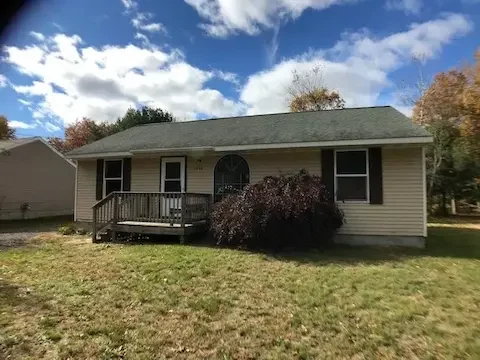
Selling an inherited house with tenants can be an overwhelming process for many homeowners. The dynamics of having tenants on the property complicate the sale process, especially when you are unfamiliar with tenant rights and local real estate laws in Southwest Michigan. Inherited properties, as well, come with their own set of legal requirements that need to be carefully navigated before you can proceed with selling. Whether you inherited the property through a will, trust, or as a part of an estate settlement, the entire process requires attention to detail, especially when there are tenants involved. In this comprehensive guide, we’ll break down the steps involved in selling an inherited property with tenants in place, provide valuable insights into tenant rights and legal considerations, and offer strategies to ensure that the sale goes smoothly.
Understanding the Situation: Selling an Inherited House
What Does It Mean to Inherit Property?

When you inherit a property, you legally become the owner of the house, which means that you are responsible for everything related to that property, including any taxes, debts, and, in some cases, the tenants who may still reside in the home. The transfer of property from a deceased owner to the heirs is typically governed by the terms of a will or trust. However, if the deceased person did not have a will, the property must go through the legal process known as probate, which is where a court determines the rightful heirs.
If the house was placed in a revocable living trust, the transfer process can be more straightforward and usually bypasses probate. Understanding whether the property is in probate or under a trust is crucial because it affects the timeline and legal processes for transferring ownership. For more on how to handle probate and the sale of an inherited house, you can refer to our page How to Sell an Inherited House Fast in Southwest Michigan.
Legalities and Paperwork Involved in Inherited Property Sales
In Michigan, selling an inherited property requires a certain set of legal documentation. Before listing the property for sale, you’ll need to gather and prepare the following documents:
| Document | Purpose |
|---|---|
| Will or Trust | Proves the deceased person’s intentions for the property. |
| Death Certificate | Validates the passing of the decedent and initiates the inheritance process. |
| Property Title | Establishes your legal rights to sell the property. |
| Probate Court Documents | Required if the property is subject to probate. This includes the appointment of a personal representative or executor. |
| Tax Returns and Debts | Documents showing any outstanding property taxes or debts associated with the property. |
If probate is necessary, it can take several months to finalize the transfer. Depending on the circumstances, you may need to go through probate court approval to sell the property. This process can delay your ability to list and sell the property.
Do You Need to Keep Tenants in Place While Selling?
Understanding Tenant Rights in Michigan
As the new property owner, you assume the role of the landlord, which means you inherit the rights and responsibilities associated with the property, including the existing lease agreements with tenants. In Michigan, tenants have legal rights that protect them from unfair eviction and treatment. These rights include the following:
- Security of Tenure: Tenants cannot be evicted without proper notice and just cause.
- Eviction Protection: If there is a fixed-term lease in place, you cannot evict tenants until the lease expires, unless the lease specifically provides for earlier termination.
- Notice Periods: In Michigan, tenants on month-to-month leases must be given at least 30 days’ notice before eviction. Tenants with a fixed-term lease must be allowed to stay until the end of their lease unless agreed otherwise.
For a detailed understanding of Michigan tenants’ rights and responsibilities, visit Michigan Legal Help’s Tenant Rights and Responsibilities page.
Should You Sell with Tenants in Place or Evict Them?
Whether to sell with tenants in place or evict them before listing the property depends on several factors, including the condition of the property, the type of lease the tenants have, and your financial situation.
Pros of Selling with Tenants in Place:
- Steady Income: If your tenants are paying rent regularly, you may continue receiving income while waiting for the sale to go through.
- Faster Sale: Evicting tenants can be time-consuming, especially if they dispute the eviction. Keeping tenants in place allows the sale process to proceed more smoothly without delays.
Cons of Selling with Tenants in Place:
- Limited Access for Showings: Tenants may not be as flexible with their schedules for showings, making it harder to present the property to potential buyers.
- Tenant Behavior: Some tenants may be difficult to work with, making it more complicated to negotiate the sale or even stage the property for viewings.
- Lower Market Appeal: Buyers who want to occupy the property themselves may not be interested in buying a home that already has tenants.
Evicting tenants is often a more complicated process, especially if they have legal protections or a long-term lease. If you plan to evict tenants, make sure you provide proper legal notice and comply with Michigan’s eviction laws. Otherwise, the process could take several months, further delaying the sale.
The Step-by-Step Process of Selling an Inherited House with Tenants
Step 1: Assess the Current Situation
Before taking any action, it’s essential to assess the current situation. This includes:
- Inspecting the Property: Assess the general condition of the house, including any necessary repairs or upgrades.
- Tenant Status: Review the lease agreement to understand the terms and whether the tenants are on a fixed-term lease or a month-to-month agreement.
Step 2: Consult with a Real Estate Attorney
Selling an inherited property can be legally complicated. Hiring a real estate attorney who specializes in inherited property can help ensure that you comply with all Michigan laws. An attorney can help you navigate the probate process if necessary, understand tenant rights, and ensure that the sale follows the correct legal procedures.
Step 3: Communicate with the Tenants
Clear communication with tenants is key. You must notify tenants of your intent to sell the property and explain how the sale might affect them. Discussing this with tenants upfront will help minimize any misunderstandings or issues later in the process.
Step 4: Determine Your Selling Strategy
Once you understand the condition of the property and have communicated with the tenants, you can decide on the best strategy for selling the house. There are several options:
- Traditional Sale: Listing the property on the market and negotiating with potential buyers through a real estate agent.
- Cash Sale: Selling directly to a cash buyer who can close quickly without the need for repairs or inspections.
- Auction: If you’re in a hurry to sell, auctioning the property may be a viable option.
If the house needs repairs, selling it as-is can be a good choice. For a thorough guide on how to sell a house as-is, including benefits and challenges, check out Bankrate’s guide on selling your house as-is.
| Selling Option | Benefits | Challenges |
|---|---|---|
| Cash Buyer | Quick closing, no repairs needed, flexibility | May offer lower price compared to market |
| Traditional Sale | Potentially higher sale price, wider buyer pool | Longer process, tenants may complicate showings |
| Auction | Fast sale, transparency in pricing | Risk of not selling at desired price |
Special Considerations for Selling a Rental Property
How Tenants Impact the Value of Your Property
Having tenants can either increase or decrease the value of your property depending on the buyer’s perspective. Investors or cash buyers may value the steady rental income, while buyers looking for a primary residence may be less inclined to purchase a tenant-occupied home due to the additional complications.
Can Tenants Stay During the Sale?
Yes, tenants can stay during the sale. However, it’s important to negotiate with them to make sure they cooperate during showings. You must also be mindful of their rights and provide them with proper notice before entering the property for showings or inspections.
How to Deal with Tenant Lease Agreements
If the tenants have a fixed-term lease, you cannot force them to vacate until the lease ends unless you offer a buyout or negotiate an early termination. If the lease is on a month-to-month basis, you may give them 30 days’ notice to vacate. If you want to sell the house as a vacant property, negotiating with the tenants may be the best option.
Market Conditions in Southwest Michigan for Selling Inherited Homes
Current Real Estate Market in Southwest Michigan
The Southwest Michigan real estate market, including cities like Kalamazoo, Battle Creek, and Grand Rapids, is generally strong with consistent demand for homes. However, the presence of tenants can complicate things for certain buyers, particularly those interested in moving into the property. The market conditions are driven by the following factors:
- Property values: Home prices in Southwest Michigan have steadily increased in recent years, with an average 3-5% year-over-year growth.
- Buyer’s market vs. Seller’s market: The current market conditions, including available inventory and buyer demand, will impact how quickly your property sells.
| City/Area | Average Home Price | Year-Over-Year Growth |
|---|---|---|
| Kalamazoo | $215,000 | 5% Increase |
| Battle Creek | $190,000 | 3% Increase |
| Grand Rapids | $320,000 | 4.2% Increase |
Factors Affecting the Sale of Inherited Property in Michigan
Factors such as the property’s condition, the presence of tenants, and the broader economic conditions of Southwest Michigan will determine how quickly and for how much the property sells. While the real estate market in Michigan is generally favorable, selling an inherited house with tenants can still take longer than selling an empty home.
How to Sell an Inherited Property for Cash
Why Choose a Cash Offer for Your Inherited Property?
Selling to a cash buyer can streamline the process. With cash sales, you can avoid repairs, inspections, and long waiting times for financing approval. Cash buyers are typically real estate investors who can close quickly, often within 7 to 14 days.
What to Expect in a Cash Offer Transaction
Cash sales typically don’t have contingencies such as financing or inspections, which makes them faster and more predictable. The buyer will assess the property’s value, and once an agreement is reached, the sale can close quickly. In a cash transaction, you won’t have to worry about tenants causing delays, and you may avoid the hassle of eviction.
How to Calculate the Sale Price of an Inherited Property
Factors Affecting the Sale Price
The sale price of your inherited property will be determined by a variety of factors:
- Condition of the Property: Properties in need of repairs typically sell for less.
- Tenant Status: If the house is tenant-occupied, the sale price may be impacted based on whether the buyer intends to keep the tenants or occupy the property.
- Location: Homes in desirable neighborhoods will generally fetch higher prices.
How to Get an Accurate Property Valuation
Getting an accurate property valuation is crucial to ensure you price the home competitively. You can:
- Hire a professional appraiser to get an unbiased, market-driven valuation.
- Compare the sale prices of similar homes in your area.
Closing the Sale: What’s Next After Accepting an Offer?
Step 1: Finalizing the Sale with the Buyer
Once you’ve accepted an offer, the buyer will typically conduct a final inspection of the property. If all goes well, the closing process will move forward. You may need to negotiate with tenants regarding their move-out date or handling their lease agreements.
Step 2: Distributing the Proceeds from the Sale
Once the sale is complete, you’ll receive the proceeds. If there are multiple heirs, the proceeds will be divided according to the will or trust. Be aware of potential capital gains taxes, inheritance taxes, and any outstanding debts on the property that could affect your share of the proceeds.
Frequently Asked Questions (FAQs)
Q. What Happens If My Inherited Property Is in Probate in Southwest Michigan?
If your inherited property is in probate in Southwest Michigan, you cannot sell it until the probate process is complete. Probate validates the deceased’s will and oversees property distribution, which may take several months, depending on the complexity.
Q. Can I Sell a House With Tenants Living in It in Southwest Michigan?
Yes, you can sell a house with tenants in Southwest Michigan, but you must follow Michigan’s landlord-tenant laws. Tenants with fixed-term leases have the right to stay until the lease ends, while month-to-month tenants require 30 days’ notice before eviction.
Q. How Long Does It Take to Sell an Inherited House with Tenants in Southwest Michigan?
Selling an inherited house with tenants can take anywhere from a few weeks to several months. The timeline depends on whether tenants need to be evicted or if the property is in probate, along with other factors like property condition.
Q. What’s the Fastest Way to Sell an Inherited House With Tenants in Southwest Michigan?
The quickest way to sell an inherited house with tenants in Southwest Michigan is to sell to a cash buyer. Cash buyers typically close in 7 to 14 days, and the process is much faster than traditional sales, especially with tenants in place.
Q. Can I Evict Tenants in Southwest Michigan to Sell My Inherited House?
Yes, you can evict tenants in Southwest Michigan, but you must follow legal procedures. Month-to-month tenants require a 30-day notice, while tenants with a fixed-term lease may only be evicted at the lease’s end or through negotiation.
Q. What Documents Do I Need to Sell an Inherited House in Southwest Michigan?
To sell an inherited house in Southwest Michigan, you need documents such as the death certificate, will or trust, property title, and probate court documents (if applicable). Consult with a local attorney to ensure all documents are in order.
Conclusion
Selling an inherited house with tenants in Southwest Michigan requires a thoughtful and strategic approach to ensure compliance with tenant laws, probate requirements, and real estate processes. Whether you choose to sell with tenants in place or decide to evict them before listing the property, understanding the market dynamics and your legal obligations will help make the process as smooth as possible. By following the steps outlined in this guide, you can navigate the complexities of selling your inherited property with confidence.
If you’re looking for a trusted and reliable partner to assist with selling your inherited property, I Buy SW MI is here to help. We specialize in helping homeowners in Southwest Michigan sell their homes quickly and efficiently, even if there are tenants involved. Whether you’re considering a cash sale or need expert guidance through the entire process, I Buy SW MI can make the experience seamless and stress-free. Contact us today to learn how we can assist you in selling your inherited property.