
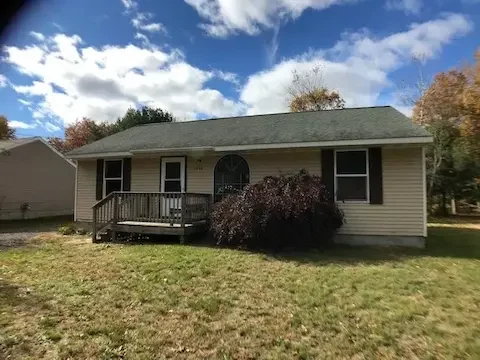
Selling a distressed house is not exactly anyone’s dream weekend project. You are not staging throw pillows. You are not baking cookies for open houses. You are trying to figure out what to do with a property that may have serious damage, legal baggage, financial pressure, or years of deferred maintenance hanging over it like a storm cloud.
That is where many Muskegon homeowners get stuck. They know the house has problems. They know listing it the traditional way may mean repairs, inspections, negotiations, agent commissions, and months of uncertainty. What they do not always know is that there is another route: selling the property for cash in its current condition.
A cash sale can make sense when speed, convenience, and certainty matter more than chasing the highest possible retail price. That does not mean every cash offer is automatically the right one, and it definitely does not mean you should walk into the process blind. It means you need to understand how distressed house sales work in Muskegon, what affects your offer, what paperwork matters, and how to avoid costly mistakes.
This guide breaks it all down in plain English. No fluff. No real estate fairy tales. Just a practical look at how to sell a distressed house for cash in Muskegon, MI, and what to expect from start to finish.
What Is a Distressed House?
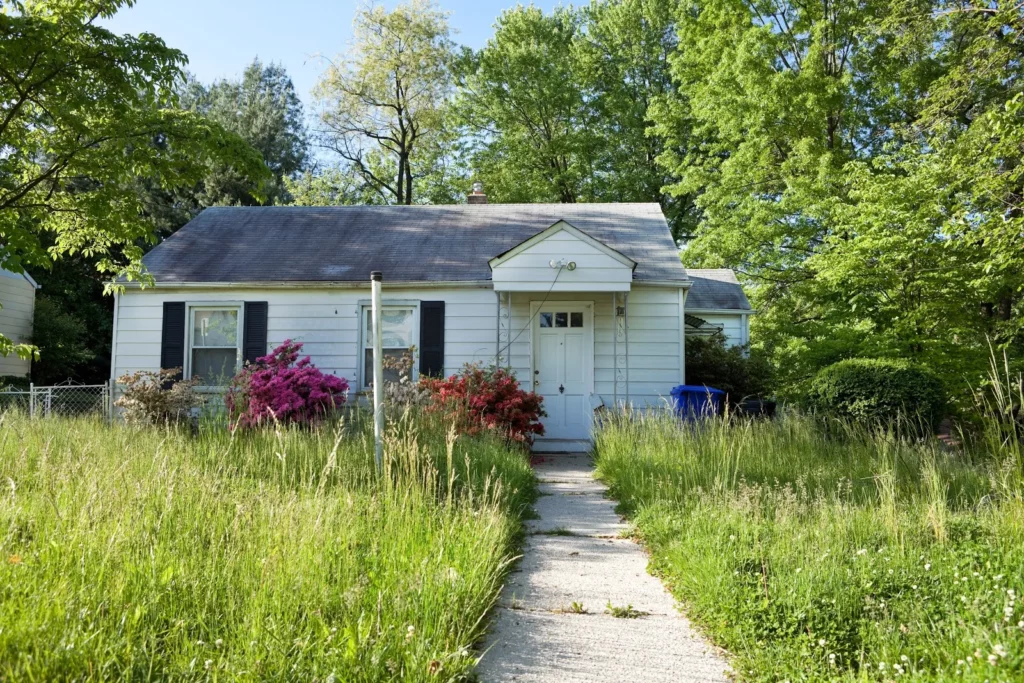
A distressed house is a property that has problems serious enough to make a conventional sale more difficult. Sometimes the issue is physical. Sometimes it is financial. Sometimes it is legal. Sometimes, lucky you, it is all three at once.
In simple terms, a distressed house is one that most traditional buyers either cannot buy, do not want to buy, or will only buy after the seller spends time and money fixing it.
Common reasons a house is considered distressed
| Type of Distress | What It Usually Means |
|---|---|
| Major repair issues | Roof leaks, foundation cracks, mold, outdated systems, water damage |
| Financial distress | Behind on mortgage payments, foreclosure risk, tax delinquency |
| Legal complications | Probate, title defects, liens, code violations |
| Occupancy problems | Vacant, abandoned, tenant-damaged, hoarder conditions |
| Life events | Divorce, inheritance, relocation, job loss, medical hardship |
A distressed property can still have value. That point matters. A lot of homeowners assume a damaged house is basically unsellable. That is rarely true. The house may not be attractive to the average retail buyer, but it can still be attractive to cash buyers, investors, landlords, or renovation-focused purchasers.
Why Homeowners in Muskegon Consider a Cash Sale
Traditional home sales work best when the property is clean, functional, financeable, and market-ready. Distressed houses usually fail that test in at least one category. Sometimes spectacularly.
That is why many homeowners in Muskegon turn to cash sales. A cash buyer is not relying on mortgage approval, which removes one of the biggest sources of delay and failure in a normal transaction. Cash buyers also tend to be more comfortable buying homes as-is, including properties with serious cosmetic or structural issues.
Main reasons cash sales appeal to distressed sellers
| Benefit | Why It Matters |
|---|---|
| Sell as-is | No repairs, upgrades, or deep cleaning required |
| Faster closing | Often much quicker than a traditional listing |
| Fewer moving parts | No lender underwriting, fewer contingencies |
| Less pressure | No repeated showings, staging, or open houses |
| Easier exit | Helpful in foreclosure, probate, divorce, or inherited property situations |
That does not mean a cash sale always produces the highest possible price. It usually does not. But distressed sellers are often not choosing between a perfect retail sale and a cash offer. They are choosing between a difficult, uncertain listing process and a faster, simpler sale that solves a pressing problem.
That distinction matters.
What Counts as a Distressed House in Muskegon?
Distress can show up in different ways depending on the property and the owner’s situation. In Muskegon, as in any market, distressed houses come in all forms. Some are visibly damaged. Some look decent from the curb but come with heavy financial or legal complications behind the scenes.
Examples of distressed situations
Houses with major repair needs
A house with a failing roof, unsafe electrical wiring, plumbing damage, or a crumbling foundation may scare off retail buyers. Even when buyers are interested, lenders may refuse to finance the property.
Inherited houses
An inherited house can become distressed if it has been vacant, poorly maintained, tied up in probate, or owned by multiple heirs who do not agree on what to do next. If the property was inherited, selling it may also involve probate, title updates, and tax considerations before closing can move forward. One important issue is the basis of inherited property, because it can affect how gain or loss is calculated when the house is sold. For more detail, see the IRS guidance in Publication 551: Basis of Assets.
Pre-foreclosure or foreclosure pressure
When a homeowner falls behind on property taxes or mortgage payments, time becomes critical. In Michigan, unpaid taxes follow a specific legal timeline that can eventually lead to foreclosure. Homeowners dealing with this situation should understand the Michigan Property Tax Foreclosure Process so they know how quickly action may be required before the property is lost.
Tax delinquent properties
Unpaid property taxes can create liens and complicate the transfer of ownership.
Vacant or abandoned homes
Vacant homes often decline faster than occupied homes. Small issues become larger ones. Water damage spreads. Vandals get ideas. Nature starts reclaiming the living room. Charming.
Tenant-damaged or hoarder houses
These homes can be difficult to show and expensive to restore, especially if cleanup and repairs are substantial.
Can You Really Sell a Distressed House As-Is?
Yes. In many cases, you can sell a distressed house exactly as it stands. That is one of the main reasons cash sales are attractive.
“As-is” means the seller is not agreeing to make repairs or improve the property before the transaction closes. The buyer accepts the house in its present condition, though the seller still needs to disclose known defects when required by law.
What as-is usually means in practice
| Seller Does Not Have To | Buyer Understands |
|---|---|
| Repair the roof | Roof issues are part of the deal |
| Replace flooring | Cosmetic damage is expected |
| Update kitchen or baths | Outdated finishes affect value |
| Remove every item from the house immediately | Cleanup terms may be negotiated |
| Pass lender-required repairs | Cash buyers do not rely on mortgage conditions |
Selling as-is does not mean the buyer ignores the condition. It means the condition is priced into the offer. If the house needs $40,000 in repairs, trust me, no one is pretending not to notice. The buyer will factor that into the number.
How the Cash Sale Process Usually Works
A distressed house cash sale is generally more straightforward than a retail listing, but it still follows a sequence. Knowing the steps makes the process less intimidating.
Step 1: Evaluate the Property’s Condition
Before you talk numbers, get clear on what you are dealing with. You do not need a full HGTV-grade project report, but you should understand the major issues.
Look at the condition of the roof, foundation, windows, heating system, plumbing, electrical system, basement, and any obvious water or mold damage. Also consider non-physical problems like liens, unpaid taxes, title defects, or probate complications.
Property condition checklist
| Area | What to Look For |
|---|---|
| Roof | Missing shingles, leaks, sagging |
| Foundation | Cracks, shifting, uneven floors |
| Plumbing | Leaks, pipe damage, low pressure |
| Electrical | Old panels, unsafe wiring, frequent outages |
| Interior | Mold, smoke damage, water stains, broken drywall |
| Exterior | Siding damage, porch issues, drainage problems |
You do not need to fix these items first. You do need to know they exist.
Step 2: Estimate the Property’s Value
Distressed houses are usually valued differently than fully updated homes. Buyers often start with the estimated market value of the home after repairs, then subtract repair costs, closing costs, holding costs, and their required margin.
That is why the offer may look lower than a nearby move-in-ready home sale. You are not comparing equals.
Simple value comparison example
| Property Scenario | Estimated Market Position |
|---|---|
| Fully renovated, move-in ready home | Highest market value |
| Livable home with minor cosmetic issues | Moderate discount |
| Home needing major repairs | Significant discount |
| Severe structural or legal distress | Deep discount |
The right comparison is not “What did the nicest house on the block sell for?” The right comparison is “What is my house worth in its current condition, with all current risks and costs included?”
Step 3: Gather Key Documents
The smoother your paperwork, the smoother your closing. Even in a cash sale, documentation matters.
Common documents you may need
| Document | Why It Matters |
|---|---|
| Deed | Confirms ownership |
| Mortgage statement | Shows loan payoff amount |
| Tax information | Reveals unpaid taxes or balances |
| Utility information | Helps confirm service status |
| Death certificate and probate documents | Needed for inherited property |
| ID and seller disclosures | Required for transaction processing |
If the property involves multiple heirs, divorce, liens, or estate administration, document organization becomes even more important.
Step 4: Request and Review Cash Offers
Once a buyer reviews the property details, they typically calculate an offer based on condition, location, resale potential, and market conditions in Muskegon.
This is where many sellers make a mistake. They see one cash number and assume that is simply “the price.” It is not. It is one buyer’s assessment of value. You should understand how the offer was reached and, when possible, compare more than one offer.
Questions to ask about an offer
Is the offer based on a walkthrough or only photos?
A real evaluation is usually more reliable than a blind estimate.
Are there hidden fees?
Some buyers advertise convenience, then quietly slide fees into the paperwork later.
Is the closing date flexible?
This matters if you need time to move, clear title, or handle family logistics.
Is proof of funds available?
A real cash buyer should be able to demonstrate they actually have funds.
Step 5: Complete Title Review and Closing
Before the final sale is completed, a title company or closing professional reviews the ownership history, liens, and legal status of the property to ensure the transfer can happen smoothly. Sellers should also review the settlement paperwork carefully to understand the final numbers and obligations. The CFPB Closing Process Guide explains what happens during the closing stage and what documents should be reviewed before signing.
Typical Cash Sale Timeline
| Stage | Approximate Timing |
|---|---|
| Initial contact and property details | 1 day |
| Review or walkthrough | 1 to 3 days |
| Offer presentation | 1 to 2 days |
| Title search and payoff coordination | Several days to 2 weeks |
| Closing | Often 7 to 21 days total |
Every case is different. A clean-title property may move quickly. A probate property with lien complications may take longer. The point is not perfection. The point is progress.
Distressed House vs Traditional Listing in Muskegon
A lot of homeowners ask the same question: should I sell for cash or list with an agent?
The answer depends on the condition of the house, your timeline, and your tolerance for uncertainty.
Side-by-side comparison
| Factor | Cash Sale | Traditional Listing |
|---|---|---|
| Repairs needed | Usually none | Often expected |
| Showings | Minimal or none | Multiple showings likely |
| Time to close | Often faster | Usually longer |
| Buyer financing risk | Lower | Higher |
| Sale price potential | Usually lower | Often higher if home is market-ready |
| Stress level | Often lower | Can be higher |
If the home is in decent condition and you have time, listing may produce a higher gross price. If the house needs serious work, has legal complications, or you need to sell quickly, a cash sale may offer a better overall outcome.
Gross price is not the only number that matters. Net proceeds, timeline, carrying costs, repair costs, and emotional strain matter too.
Common Problems That Delay Distressed Property Sales
Even cash sales can hit obstacles. Knowing them in advance can save time and frustration.
Title issues
If the deed is incorrect, a prior lien was never released, or ownership is unclear, closing may stall until those problems are resolved.
Probate complications
Inherited houses often cannot be sold until the estate has legal authority to transfer the property.
Tax liens and judgments
Outstanding financial claims may need to be paid or negotiated before the sale can close.
Condition surprises
If the property turns out to have more damage than expected, the buyer may renegotiate. This is why transparency helps.
Occupancy problems
Tenants, unauthorized occupants, or family members still living in the property can complicate possession and timing.
Common roadblocks and solutions
| Problem | Why It Delays Closing | Possible Solution |
|---|---|---|
| Clouded title | Ownership cannot be transferred cleanly | Title review and corrective filings |
| Probate not completed | Seller lacks legal authority | Estate administration |
| Liens | Debt attached to property | Payoff or negotiation |
| Severe undisclosed damage | Buyer re-evaluates risk | Honest upfront disclosure |
| Occupancy conflict | Buyer wants vacant possession | Negotiate move-out timeline |
How Muskegon Location Can Affect the Sale
Local factors always influence value. Distressed properties are not immune to market realities just because they need work.
In Muskegon, buyer demand can vary based on neighborhood, property type, school proximity, access to major roads, and broader redevelopment or investment patterns. Homes closer to desirable areas or with stronger resale potential may attract more investor attention, even if they need substantial repairs.
Local factors that may affect your offer
| Muskegon Market Factor | Why It Matters |
|---|---|
| Neighborhood demand | Stronger demand can support higher offers |
| Lot size and layout | Some buyers value land potential |
| Nearby comparable sales | Helps establish after-repair value |
| Property access and location | Convenience affects desirability |
| Repair intensity | Bigger problems lower offers |
A distressed house in a stronger area may still attract meaningful cash interest. A distressed house in a weaker pocket with heavy repair needs may receive more conservative offers. Annoying, yes. Predictable, also yes.
How to Increase Your Chances of a Better Cash Offer
You do not need to renovate the property, but you can still improve the transaction outcome.
Be honest about the condition
If the house has foundation issues, say so. If the basement floods, say so. Surprises kill trust and often reduce offers later.
Organize the paperwork
A seller who has documents ready looks serious and makes the transaction easier to underwrite.
Know your payoff numbers
Mortgage balances, tax delinquency, lien amounts, and utility obligations all affect what you can net.
Remove obvious uncertainty where possible
If you can confirm ownership, access, occupancy, and timeline upfront, buyers are more comfortable offering confidently.
Compare options instead of grabbing the first number
Speed matters, but so does context. One offer is a number. Multiple offers create perspective.
Frequently Asked Questions About Selling a Distressed House for Cash in Muskegon
Q. How fast can you sell a distressed house for cash in Muskegon, MI?
A distressed house in Muskegon can often be sold for cash in as little as 7 to 21 days. The exact timeline depends on the property condition, title status, and how quickly the paperwork is completed.
Q. Can you sell a distressed house without making repairs in Muskegon?
Yes, many distressed houses in Muskegon can be sold as-is without making repairs. This allows homeowners to avoid spending more money on a property that already has major issues.
Q. What is considered a distressed property?
A distressed property is a house with serious financial, legal, or physical problems that make it harder to sell traditionally. Common examples include foreclosure, major damage, unpaid taxes, or inherited homes in poor condition.
Q. Do distressed houses sell for less than market value?
Yes, distressed houses usually sell for less than fully updated homes. Buyers often reduce their offers to account for repair costs, risk, and the overall condition of the property.
Q. Can you sell a house in foreclosure in Muskegon, MI?
Yes, in many cases you can sell a house in foreclosure before the process is completed. Acting quickly is important because the sale must happen before the lender finalizes the foreclosure.
Q. What types of distressed houses can be sold for cash?
Many types of distressed houses can be sold for cash, including homes with water damage, fire damage, foundation issues, mold, liens, or heavy repair needs. Even vacant or inherited properties can often be sold in their current condition.
Final Thoughts
Selling a distressed house in Muskegon, MI can feel overwhelming, especially when the property has serious repairs, financial pressure, or legal complications attached to it. Traditional home sales often require time, money, and patience—three things many distressed homeowners simply do not have. A cash sale offers a practical alternative that allows sellers to move forward without the burden of repairs, showings, or lengthy negotiations.
By understanding the condition of the property, organizing the necessary documents, and evaluating available offers carefully, homeowners can make confident decisions about the best path forward. The key is to focus on solutions that reduce stress and provide a clear timeline for closing.
For many sellers dealing with damaged, inherited, or financially distressed properties, working with I Buy SW MI can provide a straightforward way to sell a house quickly and move on to the next chapter without unnecessary complications.