
Updated: August 14, 2026
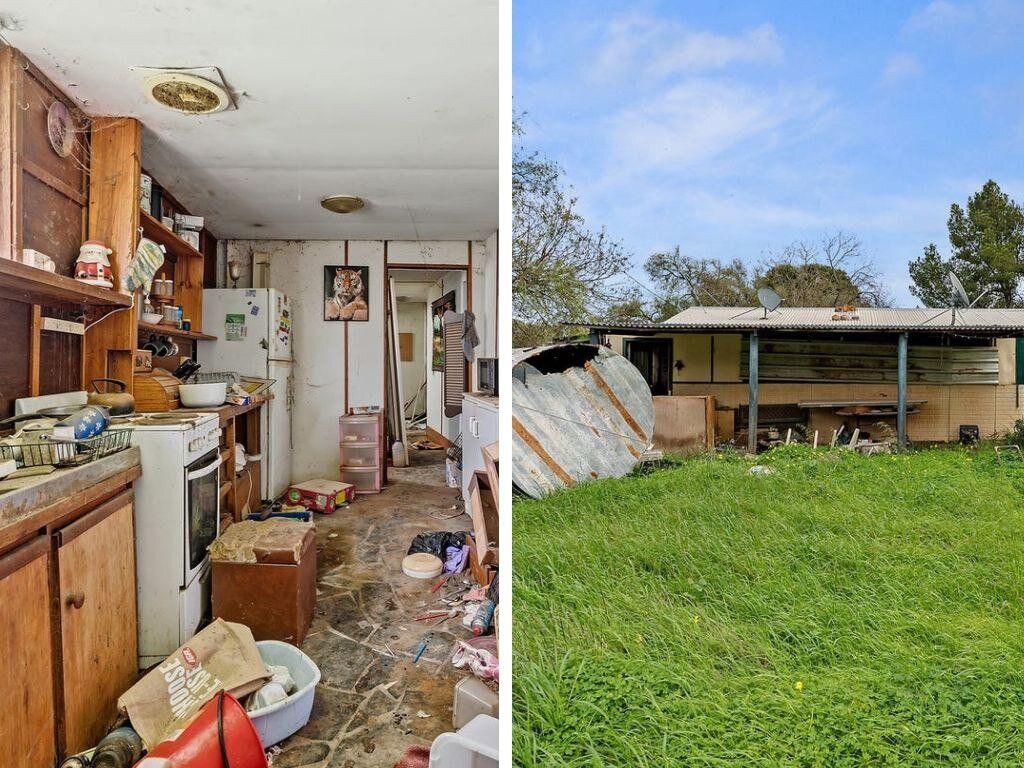
Renovating a hoarder house before selling can improve its condition and buyer appeal, but a full renovation is not always the most practical or profitable choice.
Once enough belongings are removed to see the property clearly, homeowners may discover damaged flooring, moisture problems, plumbing leaks, outdated systems, wall damage, pest-related damage, or years of deferred maintenance. The repair list can grow quickly.
Before spending money, compare what the property may realistically sell for in its current condition with what it might sell for after selected repairs or a larger renovation. The goal is not simply to make the house look better. It is to determine whether the potential increase in net proceeds justifies the renovation cost, time, carrying expenses, and project risk.
Quick Answer
You do not always need to fully renovate a hoarder house before selling. First determine the property’s condition, identify important safety and structural concerns, get realistic repair estimates, and compare potential net proceeds after renovation with selling as-is. Renovating makes the most sense when the likely financial benefit justifies the cost, time, and work involved.
What Does Renovating a Hoarder House Actually Involve?
Renovation and cleanout are related, but they are not the same project.
A cleanout focuses on removing belongings, furniture, trash, debris, and other contents. Renovation addresses the condition of the property itself after enough areas become accessible.
Possible renovation work may include repairing flooring, fixing plumbing leaks, addressing electrical problems, replacing damaged drywall, correcting moisture sources, repairing windows or doors, fixing roof problems, painting, updating fixtures, or completing deferred maintenance.
If your main concern is the cost of removing belongings rather than repairing the structure, see our guide to hoarder house cleanup costs in Southwest Michigan.
First, Determine the Condition Beneath the Clutter
It is difficult to build a sensible renovation budget when major parts of the house cannot be seen.
You do not necessarily need a complete cleanout before evaluating the property. However, enough safe access should be created to understand major systems and visible conditions.
Focus on major systems, structural areas, floors, bathrooms, kitchen, windows, doors, and any accessible attic, basement, or crawlspace.
Heavy accumulation can conceal leaks, moisture damage, damaged flooring, electrical concerns, pests, or other property problems.
Be cautious about disturbing old or unknown building materials during renovation. The U.S. EPA’s asbestos remodeling guidance recommends having suspected asbestos-containing material evaluated by a properly trained and accredited professional when renovation may disturb it.
Michigan homeowners can also review Michigan EGLE’s asbestos and demolition information for state-specific information related to asbestos during renovation and demolition.
If mold or significant moisture problems are present, address the water source rather than covering the problem cosmetically. The EPA’s mold cleanup guidance emphasizes correcting plumbing leaks and other water problems as part of effective cleanup.
This article provides general homeowner information, not environmental, construction, legal, or financial advice. When significant hazards or structural concerns are suspected, consult the appropriate qualified professional.
Which Repairs Should You Prioritize?
Once the property can be evaluated, divide the repair list into priorities instead of treating every outdated feature as an emergency.
1. Safety and Structural Concerns
Potential safety or structural problems generally deserve attention before cosmetic improvements.
Depending on the property, concerns may include unsafe electrical conditions, serious plumbing leaks, damaged stairs, weak flooring, structural movement, significant roof leaks, broken exterior openings, or major moisture intrusion.
2. Problems That Can Cause More Damage
Some problems become more expensive when ignored.
An active roof or plumbing leak, for example, can continue affecting drywall, flooring, framing, insulation, or other materials. Correcting the source may be more important than immediately replacing cosmetic finishes.
3. Repairs That Improve Access and Marketability
Limited repairs can sometimes make the property easier to evaluate without creating a full remodel. Examples include repairing a damaged door, restoring access to important rooms, or correcting a problem that prevents normal use of part of the house.
4. Cosmetic Improvements
Paint, decorative fixtures, cabinet hardware, landscaping, and similar improvements should generally come after larger property issues are understood.
A fresh-looking room does not solve an expensive unresolved defect.
Essential Repairs vs. Cosmetic Renovations
One of the easiest ways to overspend is to assume every outdated feature must be replaced.
A house does not necessarily need a new kitchen because the cabinets are old. Older flooring does not automatically require replacement. A dated bathroom may still be functional.
Before approving an improvement, ask whether it:
- Corrects an actual defect
- Prevents additional damage
- Makes the property safer or easier to evaluate
- Meaningfully improves marketability
- Is primarily a cosmetic preference
That distinction helps prevent a manageable repair project from turning into an expensive full remodel.
If the house has extensive problems beyond clutter, review our guide to selling a house with repairs needed in Southwest Michigan before committing to major work.
How Do You Know Whether Renovating Is Worth It?
Do not compare renovation cost only with the property’s possible future listing price.
Compare estimated net proceeds.
A simple framework is:
Expected sale price after renovation
minus
Cleanout + renovation costs + selling expenses + carrying costs
equals
Estimated net proceeds after renovation
Then compare that figure with your realistic as-is options.
Remember that the project can involve more than contractor invoices. Costs may include dumpsters or hauling, storage, utilities, property taxes, insurance, lawn or snow maintenance, permits when required, travel, post-construction cleaning, and unexpected repairs.
A renovation can look profitable on paper when only construction costs are considered but become less attractive once the entire project is included.
Get More Than One Professional Opinion
Before investing heavily, compare information from several sources.
Depending on the property, that may include written contractor estimates, a local agent’s view of as-is and repaired-market positioning, a direct as-is offer, or specialized evaluations for major concerns.
The goal is to build a realistic comparison of repair scope, selling costs, timeline, and uncertainty.
Renovate, Make Limited Repairs, or Sell As-Is?
Homeowners generally have more than one path.
| Option | May Make Sense When | Main Tradeoff |
|---|---|---|
| Full renovation + listing | The property has strong retail potential and the numbers support the work | Highest upfront cost and project management |
| Limited repairs + listing | A few important repairs could improve marketability | Some expense and preparation remain |
| Cleanout + as-is listing | You want market exposure without a major renovation | Buyers may discount for condition |
| Direct as-is sale | You want to avoid managing repairs and extensive preparation | Offer may be below a successful renovated retail sale |
| Keep the property | You do not need to sell now | Continued ownership and carrying costs |
Selling as-is does not mean a property has no value. It means the buyer evaluates the existing condition when deciding what they are willing to pay.
For a broader comparison, see our guide to selling a house as-is in Southwest Michigan.
When a Full Renovation May Make Sense
A larger renovation may be worth considering when the underlying structure is reasonably sound, major repair costs can be estimated with confidence, you have funds available without creating financial strain, and you can manage the contractors and timeline.
It is also important that the expected improvement in net proceeds appears large enough to justify the work and risk.
For example, a structurally sound property may need drywall repairs, selected flooring, paint, and minor plumbing work. If the project is manageable and the likely financial benefit supports it, selected improvements may make sense.
When Selling Without Renovating May Make More Sense
A full renovation may be less attractive when repair costs are difficult to predict, several major systems need work, you cannot comfortably fund the project, or managing contractors would be difficult.
Selling without major renovation may also deserve consideration if you live far away, inherited the property with others, or want to avoid months of project management. In those situations, compare an as-is agent listing with a direct sale.
If you need a broader guide to the property-selling process, see how to sell a hoarding house in Southwest Michigan.
What Southwest Michigan Homeowners Should Consider
Hoarder-house renovation decisions can vary depending on the property and the owner’s circumstances.
An older house in Kalamazoo or Battle Creek may reveal deferred maintenance after belongings are moved. Properties in Paw Paw, Three Rivers, or Allegan may also include garages, workshops, sheds, or other storage areas that need evaluation.
An inherited house near Benton Harbor, St. Joseph, or South Haven may be managed by relatives outside the area, making contractor coordination and travel part of the financial comparison.
Location itself should not determine whether you renovate. The decision should come from the property’s condition, realistic repair scope, expected marketability, finances, and seller goals.
Example: Renovating a Hoarder House Before Selling in Southwest Michigan
Consider a hypothetical homeowner who inherits an older house in Kalamazoo County.
After enough belongings are removed to inspect the property, the homeowner discovers worn flooring, damaged drywall, an active plumbing leak, an older but functioning kitchen, rooms that need paint, and a dated but usable bathroom.
The initial idea is a full kitchen and bathroom remodel plus new flooring and paint. A better first step is to separate actual defects from cosmetic upgrades.
Repairing the plumbing leak and related damage may be important, while a complete kitchen and bathroom remodel may not be necessary.
The homeowner can compare four paths:
- Complete a larger renovation and list traditionally.
- Fix only the most important problems and list.
- List the house as-is.
- Compare a direct as-is offer without managing the renovation.
The best decision comes from comparing expected net proceeds, workload, timeline, and risk rather than automatically choosing the option with the highest projected sale price.
How to Decide Whether to Renovate a Hoarder House Before Selling
Step 1: Protect Important Belongings
Remove valuables, legal documents, photographs, financial records, medications, and sentimental items before cleanout or repair work begins.
Step 2: Create Enough Safe Access
Clear appropriate areas so the property can be evaluated. Use qualified professionals when significant hazards are suspected.
Step 3: Identify Actual Property Problems
Separate structural, moisture, electrical, plumbing, roofing, and damage-related concerns from cosmetic preferences.
Step 4: Get Written Estimates
Ask contractors to describe the scope of work clearly rather than relying on rough verbal numbers.
Step 5: Estimate Both Selling Positions
Understand what the property might realistically sell for in its current condition and what selected improvements could reasonably change.
Step 6: Calculate Expected Net Proceeds
Include renovation, selling, and carrying costs instead of comparing only sale prices.
Step 7: Consider Time and Risk
A projected financial advantage may not be worthwhile if it requires months of management, significant uncertainty, or money you cannot comfortably invest.
Step 8: Choose the Path That Fits Your Goals
The right option may be a full renovation, limited repairs, an as-is listing, or a direct sale.
Common Renovation Mistakes to Avoid
Starting Cosmetic Work Before Finding Major Problems
Paint and new flooring should not take priority over an unresolved leak, unsafe system, or serious structural concern.
Renovating Without a Selling Strategy
Understand the likely buyer and selling method before choosing expensive finishes.
Assuming Every Improvement Pays for Itself
A renovation may improve presentation without increasing net proceeds by an equal amount.
Underestimating Carrying Costs
Taxes, utilities, insurance, maintenance, and other expenses continue while the project is underway.
Assuming Renovation Is Required to Sell
Some homeowners can market a property as-is or sell directly without completing a major renovation.
Frequently Asked Questions
Should I renovate a hoarder house before selling in Southwest Michigan?
Not automatically. Compare the renovation cost, timeline, likely repaired sale proceeds, and as-is alternatives before deciding.
What repairs should I make first in a hoarder house?
Prioritize significant safety, structural, moisture, electrical, plumbing, roofing, or damage-related concerns before cosmetic improvements.
Is it better to renovate or sell a hoarder house as-is?
It depends on the numbers and your goals. Renovating may improve retail-market appeal, while selling as-is can reduce upfront spending and project management.
How do I know if renovations will pay off?
Estimate likely sale proceeds after renovation, then subtract renovation, selling, and carrying costs. Compare the result with realistic as-is alternatives.
Can I sell a damaged hoarder house without making repairs?
Potentially. Homeowners may consider an as-is listing or a direct buyer, although condition can affect buyer interest, financing, and price.
Can a cash buyer purchase a hoarder house in Southwest Michigan as-is?
Potentially. A direct buyer may evaluate the property in its current condition. Compare the written offer and terms with the likely net result of repairing and listing before deciding.
Compare Your Options Before Renovating a Hoarder House
Renovating a hoarder house can make sense when the underlying property has good potential and the expected financial benefit justifies the work.
But a full remodel should not be the automatic first step.
Understand the property’s condition, separate important repairs from cosmetic improvements, obtain realistic estimates, and compare what you could potentially net after renovation with what you might receive from an as-is sale.
If avoiding a major renovation appears to fit your situation, I Buy SW MI can review your Southwest Michigan property and provide a direct cash offer for you to compare with your other selling options.
You can also review how the I Buy SW MI home-buying process works before deciding whether a direct sale is worth considering.