
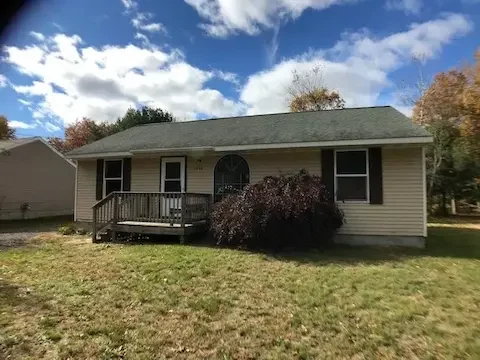
Selling a house that needs renovating in Fennville, MI can feel like a bad joke with expensive punchlines. The roof leaks, the kitchen looks frozen in another decade, the bathroom has “character” nobody asked for, and every room seems to whisper, “Good luck.” Still, a home in rough condition is not unsellable. Far from it.
Many homeowners assume they have only two choices: pour money into repairs or accept that the house will sit on the market forever. That is not how it works. In reality, you can sell a fixer-upper in Fennville in several different ways. The right path depends on your timeline, budget, stress tolerance, and how much work the property really needs.
Some sellers want to maximize price and do targeted updates. Others want to skip repairs completely and sell as-is. Some are dealing with inherited property, code issues, water damage, old systems, or years of deferred maintenance. In those cases, speed and convenience matter more than squeezing every last dollar from the sale.
This guide breaks down how to sell a house that needs renovating in Fennville, what buyers look for, whether repairs are worth it, and how to choose the smartest option for your situation.
What Does “Needs Renovating” Actually Mean?
A house that needs renovating is not always a full-blown construction site. Sometimes it is simply outdated. Other times, it has serious problems that make traditional buyers hesitate.
Common signs a house needs renovating
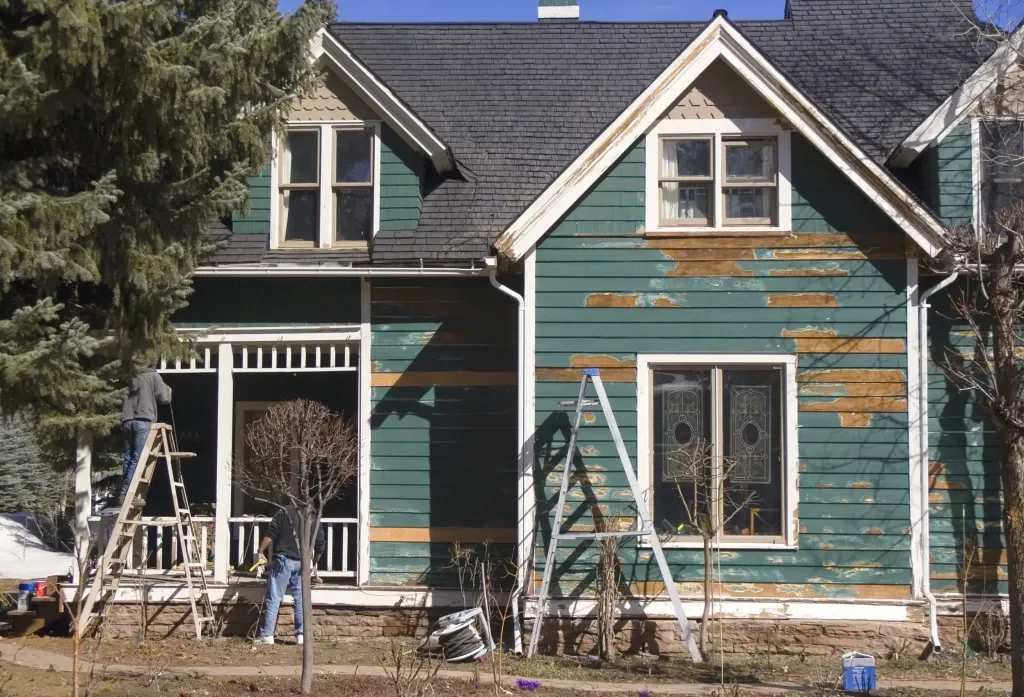
A property may fall into this category if it has cosmetic wear, functional problems, or major repair issues. That can include worn flooring, old cabinets, peeling paint, outdated fixtures, roof damage, plumbing leaks, electrical concerns, mold, foundation issues, water damage, or heating and cooling systems near the end of their life.
Some homes in Fennville also need renovation because they have been used as seasonal properties, rentals, or inherited homes that have not been updated in years. Even if the house is structurally sound, old finishes and deferred maintenance can still affect buyer interest.
Renovation issues buyers notice first
| Area of the Home | Common Problems | Buyer Reaction |
|---|---|---|
| Roof | Missing shingles, leaks, sagging | Concern about immediate expense |
| Kitchen | Outdated cabinets, old countertops, worn appliances | Lower perceived value |
| Bathroom | Broken tile, plumbing issues, old fixtures | Fear of hidden repair costs |
| Foundation | Cracks, uneven floors, moisture issues | Serious red flag |
| Electrical | Old panels, unsafe wiring, insufficient outlets | Financing and safety concerns |
| HVAC | Non-working or outdated furnace/AC | Worry about comfort and replacement cost |
| Exterior | Damaged siding, peeling paint, neglected yard | Weak first impression |
Can You Sell a House That Needs Repairs in Fennville, MI?
Yes, absolutely. A house does not need to be perfect to sell. It does not even need to be pretty. It just needs to be priced and positioned correctly.
There are buyers for renovation properties in nearly every market. That includes investors, landlords, cash buyers, rehabbers, and even regular homebuyers looking for a lower purchase price in exchange for putting in work later. In a smaller market like Fennville, condition matters, but so does opportunity. A house with good location, usable lot size, or long-term upside can still attract strong interest.
The real question is not whether you can sell it. The question is how you should sell it.
Why Homeowners Sell Renovation Properties Without Fixing Them First
People sell houses in rough condition for all kinds of reasons, and most of them are practical, not careless.
Common reasons sellers skip renovations
| Situation | Why Repairs May Not Make Sense |
|---|---|
| Inherited house | Heirs often do not want to manage updates |
| Divorce | Speed and simplicity matter more than remodeling |
| Financial stress | No extra cash for repairs |
| Job relocation | No time to oversee contractors |
| Landlord burnout | Rental property may need too much work |
| Vacant property | Empty homes deteriorate quickly |
| Major deferred maintenance | Repair costs may exceed expected return |
A lot of sellers reach the same conclusion: the idea of renovating sounds nice until the quotes start coming in.
Your Main Options for Selling a House That Needs Renovating
There is no one-size-fits-all answer. You have three main paths, and each comes with trade-offs.
Option 1: Make Repairs Before Selling
This route can help you attract more buyers and possibly get a higher sale price. But it only works when the numbers make sense.
When renovating before selling might be worth it
If the house mostly needs cosmetic updates rather than major structural repairs, small improvements can sometimes deliver a strong return. Fresh paint, cleaned flooring, minor landscaping, updated light fixtures, and deep cleaning can improve presentation without turning the property into a full renovation project.
Pros and cons of renovating first
| Pros | Cons |
|---|---|
| Higher possible sale price | Upfront costs can be significant |
| More appeal to retail buyers | Project delays are common |
| Better listing photos and showings | Contractors can be hard to manage |
| Potentially stronger financing options for buyers | Renovations may uncover bigger problems |
Repairs most likely to matter
Not every fix deserves your money. Buyers tend to care most about big-ticket items and visible issues that suggest neglect.
High-impact updates may include:
- Basic safety repairs
- Roof patching or replacement if actively leaking
- Plumbing or electrical fixes
- Removing strong odors
- Fresh interior paint
- Cleaning clutter and debris
- Improving curb appeal
If the property needs tens of thousands in work, full renovation may not be the smartest move. At some point, you stop improving value and start feeding a money pit.
Option 2: Sell the House As-Is
Selling as-is means you are offering the property in its current condition. You are not promising to make repairs, upgrades, or improvements before closing.
That does not mean you can hide known defects. It simply means the buyer understands the home needs work, and the sale reflects that reality. In Michigan, sellers should understand the state’s Michigan Seller Disclosure Act before listing a property in poor condition.
What selling as-is really means
When you sell as-is, you are telling the market: this is the property, this is the condition, and this is the price based on that condition. Buyers can still inspect the house. They can still negotiate. But the basic expectation is that you are not going to renovate the place before handing over the keys.
Benefits of selling as-is
| Benefit | Why It Matters |
|---|---|
| No repair expenses | You avoid spending more before selling |
| Faster timeline | No waiting on contractors or materials |
| Less stress | Fewer decisions, delays, and surprises |
| Practical for distressed properties | Works well for homes with significant issues |
This option is especially useful when the home has major repair needs, the seller is on a tight timeline, or the property has already become too much to manage.
Option 3: Sell to a Cash Buyer
Cash sales are common for houses that need renovating because they remove many of the barriers tied to traditional financing.
A cash buyer is usually purchasing without relying on a mortgage lender. That matters because lenders often get nervous around serious repair issues. If the property has water damage, electrical concerns, structural problems, or major deferred maintenance, financed buyers may fall apart before closing. Cash buyers can often move faster and accept more condition-related risk.
How a typical cash sale works
| Step | What Happens |
|---|---|
| Initial contact | Seller shares basic property details |
| Property review | Buyer evaluates condition and local value |
| Offer stage | Seller receives a no-obligation offer |
| Acceptance | Terms and timeline are agreed upon |
| Closing | Sale is completed, often faster than traditional listings |
Why sellers choose this route
Cash sales appeal to homeowners who want a direct path. No staging circus. No constant cleaning for showings. No waiting to see whether a buyer’s financing collapses at the last second. Just a simpler transaction, especially when the house needs substantial renovation.
Should You Renovate or Sell As-Is?
This is the decision most sellers wrestle with, so let’s make it clearer.
Questions to ask before deciding
1. How much work does the house really need?
A house with dated carpet and old paint is very different from one with foundation issues and mold.
2. Do you have cash available for repairs?
Even modest updates add up quickly. Large repairs can spiral.
3. How fast do you need to sell?
If timing matters, renovation may slow you down.
4. Are you emotionally and mentally prepared for the process?
Managing repairs is not just about money. It is about time, decisions, scheduling, and stress.
Renovate vs sell as-is comparison
| Factor | Renovate First | Sell As-Is |
|---|---|---|
| Upfront cost | High | Low to none |
| Time to market | Longer | Shorter |
| Stress level | Higher | Lower |
| Buyer pool | Broader retail market | Investors, cash buyers, bargain seekers |
| Potential price | Higher gross price | Lower gross price |
| Predictability | Less predictable due to repair surprises | More straightforward |
The smarter option depends on your situation, not on what sounds better in theory.
What Buyers in Fennville May Look for in a Fixer-Upper
Fennville has a different feel than a dense urban market. Buyers may be looking for a year-round home, second property, long-term rental, seasonal getaway, or renovation resale opportunity. That means they often evaluate a property based on more than just the interior finishes.
Features That May Still Attract Interest
- Desirable location
- Usable land or lot size
- Proximity to other Southwest Michigan destinations
- Quiet setting
- Potential for long-term appreciation
- Solid structure despite cosmetic problems
Even if the house needs major updates, location and overall property fundamentals can still carry weight with buyers.
Some buyers may also explore renovation financing options such as the FHA 203(k) Rehabilitation Mortgage Insurance Program when considering a home that needs substantial repairs.
Pricing a House That Needs Renovating
Pricing is where reality enters the room and politely ruins fantasy.
If a renovated home in the area might sell for more, that does not mean your current property should be priced close to it. Buyers will subtract repair costs, inconvenience, risk, and a margin for uncertainty. If you ignore that, the listing may sit, go stale, and end up requiring price cuts anyway.
Factors that affect as-is pricing
| Pricing Factor | Impact on Value |
|---|---|
| Extent of repairs needed | Bigger repairs reduce offers |
| Visible condition | Poor presentation lowers perceived value |
| Comparable local sales | Sets the market framework |
| Lot and location | Can offset some condition issues |
| Urgency of sale | Can affect pricing strategy |
| Buyer demand | Stronger demand may improve offers |
A realistic price does not mean giving the house away. It means understanding how buyers think when they see work ahead of them.
How to Make a Renovation Property Easier to Sell
You do not need a full makeover to improve buyer response. Some low-cost steps can make a meaningful difference.
Clean Up What You Can
Trash, clutter, and overgrown landscaping make a house feel worse than it is. A basic cleanup helps buyers see the property more clearly.
Be Honest About Condition
Trying to gloss over obvious repair issues usually backfires. Buyers notice. Inspectors notice. Everyone notices. Clear communication builds trust and reduces wasted time.
Gather Useful Information
If you have old invoices, repair records, utility information, survey details, or estimates for major work, keep them organized. Buyers appreciate clarity, especially on rough-condition homes.
Focus on Potential
A buyer looking at a fixer-upper is often asking one question: what could this become? Help them answer that. Point to layout, lot value, location, natural light, garage space, or other strengths that still matter.
Common Challenges When Selling a House That Needs Renovating
It is not all smooth sailing. Houses in poor condition usually come with extra friction.
Challenges sellers often face
| Challenge | Why It Happens |
|---|---|
| Fewer interested buyers | Many people want move-in-ready homes |
| Lower offers | Buyers factor in repairs and risk |
| Financing issues | Some lenders reject distressed properties |
| Inspection concerns | More defects create more negotiation pressure |
| Longer selling process | Traditional buyers may hesitate or walk away |
The point is not to panic. The point is to understand the landscape before you enter it.
Frequently Asked Questions About Selling a Fixer-Upper in Fennville, MI
Q. Can you sell a house that needs renovating in Fennville, MI?
Yes, it is possible to sell a house that needs renovating in Fennville. Many buyers, including investors and renovation specialists, actively look for fixer-upper properties they can improve or remodel.
Q. Is it better to renovate a house before selling it?
It depends on the cost of repairs and the local market conditions. Minor cosmetic updates may increase the sale price, but expensive renovations do not always guarantee a higher return.
Q. Can you sell a house as-is in Michigan?
Yes, homeowners in Michigan can sell a house as-is without making repairs. However, sellers are generally expected to disclose known issues or defects related to the property.
Q. Who typically buys houses that need repairs?
Homes needing repairs are often purchased by real estate investors, renovation specialists, landlords, or buyers looking for lower-priced properties they can upgrade.
Q. How fast can you sell a house that needs repairs in Fennville?
The timeline varies depending on the selling method and property condition. Selling as-is can sometimes lead to a faster sale compared to renovating the home before listing it.
Q. Can a house that fails inspection still be sold?
Yes, a house can still be sold even if it fails inspection. Buyers may choose to accept the property condition, negotiate repairs, or request a price adjustment.
Final Thoughts
Selling a house that needs renovating in Fennville, MI can feel overwhelming, but it does not mean you are out of options. Whether your property has outdated features, major repairs, or years of deferred maintenance, there are still practical ways to move forward without turning the process into a costly renovation project. Some homeowners choose to make a few updates before listing, while others decide that selling as-is makes more financial and personal sense.
The right choice depends on your timeline, budget, and how much work the property truly needs. If speed, convenience, and avoiding repair costs matter most, working with I Buy SW MI may be the simpler path. Instead of spending months managing contractors, unexpected expenses, and listing uncertainty, you can focus on finding a solution that fits your situation.
In the end, selling a fixer-upper in Fennville is still possible with the right approach. By understanding your options and choosing a strategy that matches your goals, you can sell with less stress and move on with greater confidence.