
Updated July 21, 2026
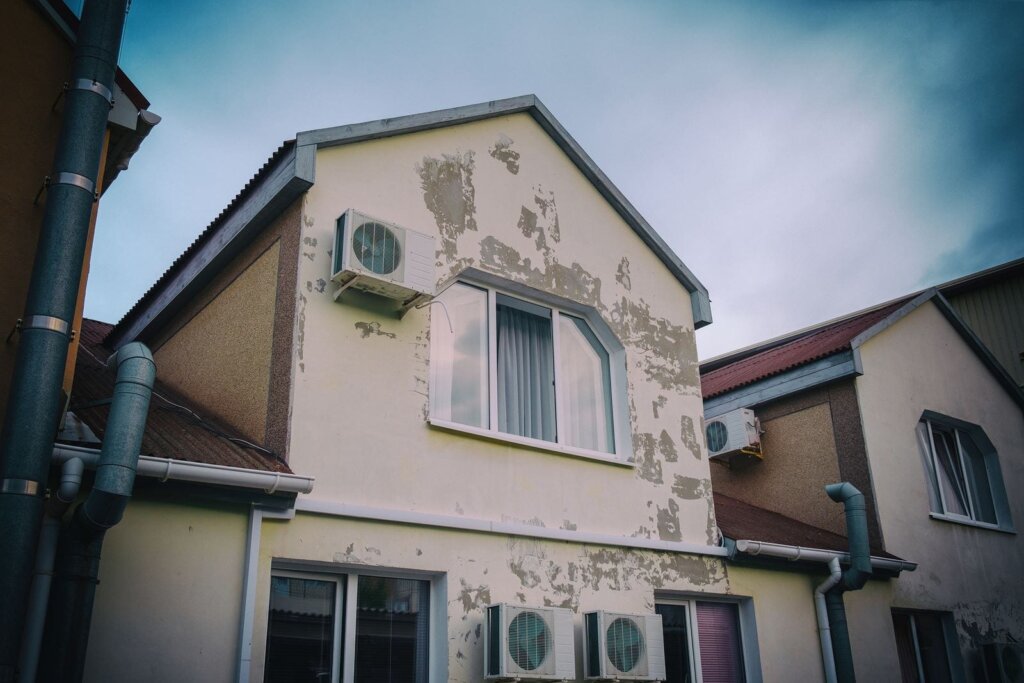
A distressed property can be difficult to sell for more than one reason. The house may need major repairs, but the owner may also be dealing with tenants, unpaid taxes, an inherited estate, code violations, title problems, financial pressure, or an approaching deadline.
You usually have more than one option. The right path depends on what is wrong with the property, who has authority to sell it, what it costs to keep, and how much time you have to resolve the situation.
Quick Answer
To sell a distressed property in Southwest Michigan, identify the physical, financial, ownership, title, and occupancy issues first. Then compare repairing and listing, listing as-is, selling independently, keeping or renting the property, and requesting direct cash offers. Base your decision on estimated net proceeds, required work, contract terms, and realistic timing.
Use the Four-Part Distressed Property Triage
Before choosing how to sell, evaluate four factors: Condition, Control, Cost, and Clock.
This framework helps separate the problems you can estimate from the issues that may require professional assistance.
1. Condition: What Is Wrong With the Property?
Make a list of known physical problems, including:
- Roof or gutter damage
- Foundation movement
- Basement moisture
- Plumbing or electrical problems
- Heating and cooling issues
- Fire, smoke, water, or storm damage
- Mold concerns
- Broken windows or exterior damage
- Failed well or septic components
- Unfinished renovations
- Excess belongings or debris
- Long-term deferred maintenance
You do not need to diagnose every issue yourself. The goal is to understand whether the property needs cosmetic updates, selected repairs, major rehabilitation, or professional evaluation.
2. Control: Who Can Make Decisions About the House?
Confirm:
- Who is named on the deed
- Whether all owners agree to sell
- Who currently occupies the property
- Whether an estate, trust, divorce, or court order is involved
- Whether someone has legal authority to sign for another owner
- Whether a tenant has a valid lease
- Whether belongings belong to the owner, an heir, or a tenant
A buyer cannot solve uncertainty about who owns the property merely by making an offer. Ownership and signing authority may need to be confirmed through deed records, estate documents, court orders, or title review.
3. Cost: What Does the Property Require Each Month?
Calculate the ongoing cost of:
- Mortgage payments
- Property taxes
- Insurance
- Utilities
- Lawn care and snow removal
- Emergency repairs
- Security and property checks
- Tenant management
- Travel to the property
- Association charges, when applicable
A house that costs $1,500 each month to carry creates a different decision than a mortgage-free house with low ongoing expenses.
4. Clock: Is a Deadline Approaching?
Identify any deadline connected to:
- A job relocation
- An insurance change
- A property-tax notice
- A mortgage default
- A foreclosure proceeding
- A lease expiration
- A probate or court matter
- Municipal code enforcement
- Winter weather
- A planned move
- A vacant-house concern
Do not ignore notices from a lender, court, county treasurer, municipality, or insurance company. Early action generally preserves more options.
What Is a Distressed Property?
“Distressed property” is a broad real estate term rather than one specific legal category. It commonly describes a property that is difficult for the owner to maintain, manage, finance, or sell through a standard retail transaction.
A house may be distressed because of its condition, the owner’s circumstances, or both.
Examples include:
- A house needing major repairs
- A vacant property that is deteriorating
- A tenant-occupied rental with management problems
- An inherited house with deferred maintenance
- A property with code violations or open permits
- A house with liens or title defects
- A tax-delinquent property
- A fire- or water-damaged home
- A house that may not meet a lender’s condition requirements
- An unwanted property connected to divorce, relocation, or financial hardship
A distressed house is not automatically worthless or unsellable. It may simply require a different buyer, pricing strategy, contract, or closing process.
Your Options for Selling a Distressed House in Southwest Michigan
Homeowners are not limited to completing a full renovation or accepting the first investor offer they receive.
Read Your Options for Selling a Distressed House in Southwest Michigan for a detailed comparison of the available paths.
| Selling option | Often fits when | Primary advantage | Main tradeoff |
|---|---|---|---|
| Repair and list | You have time, funds, and sufficient equity | May produce a stronger retail price | Requires preparation, showings, inspections, and financing |
| List as-is | You want market exposure without major renovations | Reaches retail buyers and investors | Buyers may still negotiate after inspection |
| Sell without an agent | You can manage the process yourself | Greater control | You handle marketing, access, paperwork, and negotiations |
| Keep or rent | You can afford and manage the property | Preserves ownership | Repairs, liability, vacancies, and management continue |
| Sell directly | Simplicity or current condition is the priority | May reduce preparation and financing uncertainty | The offer may be below a repaired retail sale |
Repair and List With a Real Estate Agent
Repairing and listing may be appropriate when:
- The property is in a marketable location
- The repair scope is reasonably clear
- You can fund the work
- Contractors are available
- You can manage the project
- The expected increase in net proceeds is meaningful
Ask a local real estate agent for both an as-is price opinion and a repaired-sale estimate. Then obtain written repair estimates before assuming the renovation will be profitable.
A projected $50,000 increase in sale price is less attractive if reaching it requires $35,000 in repairs, four months of mortgage and utility payments, agent compensation, buyer concessions, and repeated contractor delays.
List the Property As-Is
An as-is listing gives the property exposure on the open market without requiring you to complete every improvement.
It may attract:
- Retail buyers willing to renovate
- Landlords
- Builders
- Local investors
- Buyers using renovation financing
“As-is” does not automatically mean no inspections, disclosures, negotiations, or financing conditions. It generally means the seller does not intend to make repairs, but the purchase agreement controls the actual transaction.
The guide How to Sell a Distressed House As-Is in Southwest Michigan explains as-is pricing, preparation, inspections, and buyer expectations in greater detail.
Sell Without a Real Estate Agent
Selling independently may give you more direct control and avoid agent representation costs.
You will also be responsible for:
- Pricing
- Marketing
- Buyer inquiries
- Property access
- Disclosures
- Offer review
- Contract deadlines
- Inspections
- Title coordination
- Closing preparation
This can work when the owner has enough time, real estate experience, and a qualified buyer. It may be harder when the property has uncertain value, tenants, serious repairs, title issues, or an urgent deadline.
Keep or Rent the Property
Keeping the house may make sense when the financial pressure is temporary and the property remains manageable.
Renting may provide income, but a distressed house should not be treated as rent-ready without reviewing its safety, condition, insurance, maintenance needs, and applicable local requirements.
Consider whether the likely rent can support:
- Mortgage payments
- Taxes and insurance
- Routine maintenance
- Major repair reserves
- Vacancy
- Property management
- Tenant turnover
- Local compliance
Sell Directly to a Cash Buyer
A direct buyer may purchase a house in its current condition without relying on a traditional mortgage.
This may reduce:
- Pre-sale repairs
- Cleaning and preparation
- Repeated showings
- Appraisal-related financing concerns
- The time required to market the property
The convenience has a financial tradeoff. A direct offer may be below the price available from a successful repaired retail sale because the buyer accounts for repairs, holding expenses, resale risk, and other costs.
Read Cash Buyer vs. Real Estate Agent for a Distressed Southwest Michigan House before choosing between market exposure and a direct sale.
Should You Repair the House Before Selling?
Repairing is easier to justify when the work has a reliable estimate, can be completed within your timeline, and creates a meaningful improvement in expected net proceeds.
Use two simple estimates.
Repaired-sale estimate:
Expected repaired sale price
− repairs
− selling expenses
− carrying costs
− concessions
= estimated repaired-sale proceeds
As-is estimate:
Expected as-is sale price
− selling expenses
− carrying costs
= estimated as-is proceeds
Do not compare a repaired retail price directly with an as-is cash offer. They require different investments, timelines, and levels of risk.
For example, a hypothetical repaired price of $190,000 may not be better than a $150,000 as-is sale if the house needs $25,000 in work, $11,000 in selling expenses, $6,000 in carrying costs, and ongoing project management.
Review Should You Repair a Distressed House Before Selling It? for a more detailed repair decision worksheet.
Distressed Property Situations That Need Extra Planning
Major Repairs
A property needing a roof, foundation work, extensive electrical updates, plumbing replacement, or water remediation can still be sold.
However, some buyers and mortgage programs may have property-condition requirements. A serious defect may narrow the buyer pool or require specialized financing.
Consider obtaining professional estimates for the largest known issues. When structural concerns exist, an appropriately qualified professional may help distinguish a localized repair from a broader problem.
Read How to Sell a House That Needs Major Repairs in Southwest Michigan.
Vacant Houses
A vacant property can deteriorate while the owner is deciding what to do.
In Southwest Michigan, plan for:
- Heating and frozen-pipe prevention
- Snow removal
- Water leaks
- Storm damage
- Lawn care
- Mail and package removal
- Property checks
- Insurance requirements
- Secure access for contractors and buyers
Tell the insurance provider when the house becomes vacant or unoccupied. Do not assume an occupied-home policy applies in exactly the same way after everyone moves out.
See How to Sell a Vacant Distressed House in Southwest Michigan for a vacant-property checklist.
Tenant-Occupied Rentals
A distressed rental may be sold with tenants in some situations, but the seller and buyer need to understand the lease, deposits, rent status, notices, access, property condition, and possession terms.
Do not change locks, remove belongings, shut off utilities, or attempt to force a tenant out without following applicable requirements.
The article Selling a Distressed Rental Property With Tenants in Michigan covers tenant-related sale considerations in more depth.
Inherited Properties
An inherited house may involve multiple heirs, personal belongings, mortgages, unpaid taxes, deferred maintenance, probate, or uncertainty about who may sign.
Do not assume that one family member automatically has authority to sell. The deed, will, trust, probate documents, and letters of authority may need review.
Michigan Courts maintains official probate forms and estate-administration resources. A Michigan estate attorney or title company can explain what applies to a particular property.
Read How to Sell an Inherited Distressed House in Southwest Michigan.
Code Violations and Open Permits
A code violation or open permit does not always prevent a sale, but it should be investigated early.
Contact the building or code-enforcement department for the municipality where the property is located. Confirm:
- What remains open
- Whether an inspection is required
- Whether fines or charges are outstanding
- What work has been ordered
- Which documents are available
- Whether responsibility can transfer to a buyer
Do not promise that a buyer can resolve the issue after closing until the contract and municipality’s requirements have been reviewed.
See How to Sell a House With Code Violations in Southwest Michigan.
Liens and Title Problems
A title review can uncover financial claims against the property as well as problems with ownership or public records.
Common lien-related issues include:
- Mortgages
- Judgment liens
- Property tax liens
- Contractor liens
- Missing mortgage or lien releases
Title problems may involve:
- Deceased owners still appearing in the ownership record
- Name discrepancies
- Conflicting legal descriptions
- Multiple or disputed owners
- Missing ownership documents
- Errors from a previous transfer
Some liens may be paid from available sale proceeds at closing. Other problems may require additional documents, releases, negotiations, title-company work, legal assistance, or a court proceeding.
Starting the title review early gives the seller more time to identify what must be resolved before ownership can transfer.
Read more:
- Selling a House With Liens in Southwest Michigan
- Selling a House With Title Problems in Southwest Michigan
Back Property Taxes
Verify delinquent taxes directly with the relevant county treasurer.
Michigan tax delinquency can progress through a statutory forfeiture and foreclosure process, so owners should not rely on an old balance or ignore mailed notices. The Michigan Department of Treasury publishes an official property-tax forfeiture and foreclosure overview.
See How to Sell a House With Back Property Taxes in Southwest Michigan.
Michigan Seller Disclosures May Still Apply
Selling a house as-is does not necessarily remove applicable disclosure duties.
Michigan’s Seller Disclosure Act requires disclosures for certain residential transfers and also contains exceptions. Required disclosures must be made in good faith, which the statute defines as honesty in fact in the transaction. Review the Michigan Seller Disclosure Act and obtain professional guidance about whether it applies to your sale.
Disclosing a known problem is not the same as agreeing to repair it. It gives the buyer information to consider when evaluating the house and the purchase agreement.
This article provides general homeowner education, not legal, tax, accounting, insurance, lending, or financial advice.
Southwest Michigan Property Factors to Consider
Southwest Michigan is not one uniform market. Property type, municipality, season, and buyer demand can affect the practical selling plan.
Older Houses
Older homes in Kalamazoo, Battle Creek, Benton Harbor, Niles, and nearby communities may have aging basements, electrical service, plumbing, roofing, windows, or foundations.
Older systems do not automatically make a property unsellable. They can affect inspections, repair estimates, financing, and pricing.
Rural Properties
Houses in rural areas of Van Buren, Allegan, Berrien, Kalamazoo, or Calhoun County may involve:
- Wells
- Septic systems
- Outbuildings
- Private roads
- Larger parcels
- Long contractor travel times
- Limited winter access
Gather available records instead of guessing about installation dates, boundaries, or system condition.
Lake-Area and Seasonal Houses
Properties near South Haven, St. Joseph, and other Lake Michigan communities may have seasonal occupancy, second-home furnishings, weather exposure, moisture concerns, or winterization needs.
Determine who will maintain and inspect the property until ownership transfers.
Is the Property Ready to Move Toward a Sale?
Before accepting an offer, try to answer these questions:
- Who has legal authority to sign?
- Is anyone living in the property?
- Are there leases or possession agreements?
- Are the mortgage and property taxes current?
- Are liens or title concerns known?
- What are the largest physical problems?
- What does the property cost each month?
- What belongings must be removed?
- Are there code notices or open permits?
- Is a tax, lender, court, relocation, or insurance deadline approaching?
- What are the estimated net proceeds from each selling option?
You do not need every problem solved before marketing the house. You do need enough information to avoid promising terms you cannot deliver.
How to Sell a Distressed Property Step by Step
Step 1: Confirm Ownership
Review the deed and any estate, trust, divorce, or court documents that may affect signing authority.
Step 2: Document Known Issues
Create one organized list covering repairs, occupancy, taxes, liens, permits, code concerns, insurance claims, belongings, and property access.
Step 3: Estimate the Current Value
Request an as-is opinion from a local agent and consider written offers from qualified direct buyers.
Do not value a repair-heavy house only by comparing it with fully renovated nearby properties.
Step 4: Estimate Net Proceeds
Account for repairs, representation expenses, concessions, title charges, taxes, liens, cleanout costs, utilities, insurance, and continued ownership.
Step 5: Compare Written Terms
Review:
- Purchase price
- Earnest money
- Inspection rights
- Financing conditions
- Seller repair obligations
- Closing expenses
- Assignment language
- Cancellation rights
- Closing date
- Possession
- Belongings
- Required access
Step 6: Address Urgent Deadlines
Prioritize active leaks, unsafe access, insurance concerns, tax notices, lender communications, foreclosure documents, and court requirements.
Homeowners with a short deadline can begin with Need to Sell a Distressed House Fast in Southwest Michigan? Start Here.
Someone behind on mortgage payments can also use the Consumer Financial Protection Bureau’s housing counselor search to locate HUD-approved counseling agencies that advise on defaults, forbearance, foreclosure, and related housing concerns.
Step 7: Complete Title and Closing Work
The title or closing company may review ownership, order payoff information, identify liens, prepare documents, and coordinate signing.
Do not rely on sale proceeds for another obligation until closing is complete and the funds are available.
How to Evaluate a Direct Cash Buyer
A legitimate direct offer should be understandable without pressure.
Review:
- The buyer’s business identity
- Local contact information
- Proof of funds when appropriate
- The full written agreement
- Earnest money
- Inspection and access provisions
- Assignment language
- Cancellation terms
- Responsibility for closing expenses
- Title-company involvement
- Possession and belongings terms
- Conditions allowing the price to change
Be cautious about verbal promises missing from the contract, unexplained deductions, pressure to sign immediately, or significant last-minute reductions.
I Buy SW MI is one direct-sale option. Homeowners can review how the I Buy SW MI process works and the company’s frequently asked questions before requesting an offer. The site identifies I Buy SW MI as a direct Southwest Michigan buyer rather than an MLS listing service.
A Southwest Michigan Distressed-Property Example
Consider the owner of a vacant Battle Creek house.
The roof is leaking, the basement takes on water after heavy rain, and several rooms contain belongings left by a relative. The owner lives three hours away and initially believes replacing the roof will make the house ready to list.
A contractor explains that the drainage and basement moisture should be evaluated before interior work begins. The owner now has to decide whether to delay the sale for additional investigation or market the property with the known conditions disclosed.
A local agent provides an as-is estimate and a higher projected value after repairs. A direct buyer also provides a written offer based on the current condition and remaining belongings.
The owner calculates the likely repair cost, travel, utilities, insurance, selling expenses, and several additional months of ownership. If the repaired path creates meaningfully higher estimated proceeds, completing the work may be worthwhile. If the difference becomes small after those costs and risks, an as-is sale may be more practical.
Common Mistakes to Avoid
- Repairing before testing the as-is market: Obtain current-condition estimates first.
- Concealing known problems: Provide truthful information and seek guidance when uncertain.
- Ignoring taxes or title issues: Early review provides more time to address them.
- Comparing only sale prices: Compare estimated net proceeds and required work.
- Accepting unclear terms: Read contingencies, deductions, cancellation rights, and possession terms.
- Assuming cash guarantees closing: Cash removes lender approval but not every title, contract, or ownership issue.
- Assuming every distressed house needs an investor: Some properties can be repaired, listed as-is, rented, or sold to a renovation buyer.
Frequently Asked Questions
Can I sell a distressed house in Southwest Michigan as-is?
Yes. You may list it as-is or sell directly to a buyer willing to accept its current condition. The contract should clearly address inspections, repairs, access, belongings, and closing responsibilities.
Do I have to repair a distressed property before selling?
No. Repairs may improve the sale price, but they also require time, money, and management. Compare estimated net proceeds from repaired and as-is options before beginning major work.
Can I sell a Southwest Michigan house with liens or title problems?
Possibly. Some issues can be paid or corrected through closing, while others require additional documents or legal work. Start title review early.
Can a distressed rental property be sold with tenants?
A tenant-occupied property can sometimes be sold. The lease, deposits, rent status, access, tenant rights, notices, and possession terms should be reviewed carefully.
What happens when I inherit a distressed house?
First confirm ownership and authority to sell. The deed, estate documents, other heirs, mortgage, taxes, liens, belongings, and probate status may affect the process.
Will a cash buyer pay full market value for a distressed house?
A direct buyer usually accounts for repairs, holding costs, resale expenses, and risk. A repaired retail listing may produce a higher price, while a direct sale may require less preparation.
How quickly can I sell a distressed property in Southwest Michigan?
Timing depends on condition, pricing, ownership, title, taxes, occupancy, financing, and contract terms. No selling method can guarantee that every property will close by a specific date.
Related Distressed-Property Guides
- How to Sell a Vacant Distressed House in Southwest Michigan
- How to Sell an Inherited Distressed House in Southwest Michigan
- How to Sell a House With Code Violations in Southwest Michigan
- How to Sell a House With Back Property Taxes in Southwest Michigan
- Sell Your House Fast in Southwest Michigan
Choose the Right Selling Path for Your Property
A distressed property does not leave you without choices.
Begin with the property’s condition, who controls the sale, what the house costs to keep, and whether a deadline is approaching. Then evaluate repairing, listing as-is, selling independently, keeping or renting the house, and requesting written direct offers.
If selling without repairs, cleaning, or a traditional listing appears to fit your situation, I Buy SW MI can review the property and may provide a cash offer for you to compare with your other options.
Call (231) 392-3262 or contact I Buy SW MI to share basic information about your Southwest Michigan property.