
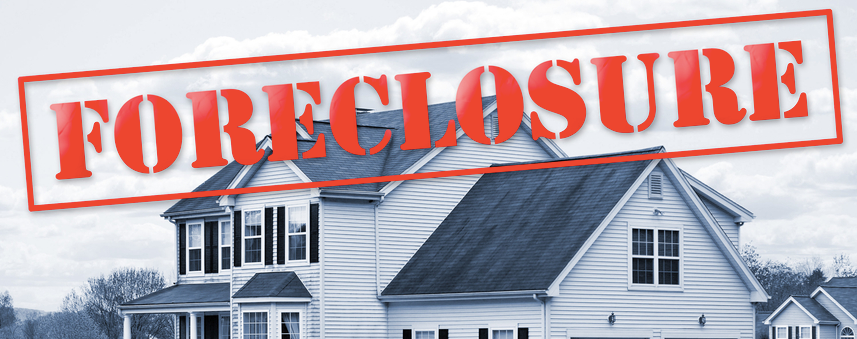
Foreclosure is not just a financial event—it’s a life-altering crisis that can impact your credit, your family, your mental health, and your long-term ability to build wealth. For homeowners in Southwest Michigan, where many families depend on stable housing and steady income, foreclosure can feel like everything is falling apart at once.
What makes foreclosure especially dangerous is that it doesn’t happen overnight. It’s a process—and during that process, many homeowners delay action, hoping things will improve. Unfortunately, that delay often leads to worse outcomes, fewer options, and deeper financial damage.
If you are behind on payments or worried about foreclosure, understanding the full consequences is the first step toward protecting yourself.
This in-depth guide will break down every major consequence of foreclosure in Southwest Michigan, explain how it unfolds, and show you why acting early—especially by exploring faster selling solutions—can save your financial future.
What Foreclosure Really Means for Southwest Michigan Homeowners
In Michigan, foreclosure is typically handled through a process called foreclosure by advertisement, which allows lenders to foreclose without going through the court system. This makes the process faster and more aggressive compared to judicial foreclosure states.
The Reality of the Timeline
Many homeowners underestimate how quickly foreclosure can progress:
- 30 days late → missed payment notice
- 60–90 days late → lender escalates action
- Notice of foreclosure published
- Sheriff’s sale scheduled
- Redemption period begins (often 6 months)
At first, it may seem like you still have time—but in reality, your options shrink with every passing week.
The Financial Devastation of Foreclosure (Much Worse Than You Think)
1. Massive Credit Score Collapse
One of the most immediate and damaging effects of foreclosure is your credit score.
A foreclosure can:
- Drop your credit score by 100–160+ points
- Stay on your credit report for up to 7 years
- Make lenders see you as a high-risk borrower
This impacts nearly every part of your financial life.
What This Means in Real Life
After foreclosure, you may struggle to:
- Get approved for a mortgage
- Finance a car
- Open new credit accounts
- Qualify for low interest rates
Even if you do get approved, you’ll likely pay thousands more in interest over time.
2. Complete Loss of Home Equity
For many homeowners, their house is their biggest asset. Years of mortgage payments, improvements, and appreciation build equity.
Foreclosure takes that away.
Instead of selling your home at market value, your property is auctioned—often at a significantly lower price.
That means:
- You lose all accumulated equity
- You gain no profit from the sale
- Your financial progress is erased
For many families, this represents years or even decades of lost wealth.
3. Deficiency Judgments: Debt Even After Losing Your Home
Many homeowners assume that once the house is gone, the debt is gone too. Unfortunately, that’s not always true.
If your home sells for less than what you owe, the lender may pursue a deficiency judgment.
This means:
- You still owe the remaining balance
- You may face collections or legal action
- Your financial burden continues
Imagine losing your home and still being in debt—that’s the reality for many sellers who go through foreclosure.
4. Accumulating Fees and Hidden Costs
Foreclosure isn’t just about missed payments. It comes with additional costs that can quickly spiral out of control:
- Late payment penalties
- Legal fees
- Court costs (if applicable)
- Property maintenance fees
- Auction-related expenses
By the time foreclosure is complete, your total debt may be significantly higher than when you started.
Emotional and Psychological Impact: The Hidden Crisis
Financial loss is only part of the story. Foreclosure can take a serious emotional toll.
Constant Stress and Anxiety
Homeowners facing foreclosure often deal with:
- Daily stress from collection calls
- Fear of losing their home
- Uncertainty about the future
This level of stress can affect your health, sleep, and overall well-being.
Impact on Family and Relationships
Foreclosure doesn’t just affect you—it affects your entire family.
- Children may need to change schools
- Spouses may experience conflict due to financial pressure
- Family stability is disrupted
For many, the emotional impact is just as devastating as the financial loss.
Loss of Identity and Stability
Your home is more than a property—it’s your sense of security.
Losing it can create:
- Feelings of failure or embarrassment
- Loss of routine and comfort
- A deep sense of instability
Housing Challenges After Foreclosure
Many homeowners think they’ll simply “move on” after foreclosure—but the reality is much harder.
Difficulty Renting a Home
Landlords often check credit history. A foreclosure can lead to:
- Rejected rental applications
- Higher deposits
- Limited housing options
Long Waiting Period to Buy Again
After foreclosure, you’ll likely face waiting periods before qualifying for another mortgage:
- FHA loans: typically 3 years
- Conventional loans: up to 7 years
This delays your ability to rebuild wealth through homeownership.
Legal and Tax Consequences Most Sellers Don’t Expect
Eviction After Redemption Period
In Michigan, after the redemption period ends, you must vacate the property.
If you don’t leave voluntarily, eviction proceedings may begin—adding more stress and legal complications.
Potential Tax Liabilities
In some cases, forgiven debt may be considered taxable income.
This means you could face:
- Unexpected tax bills
- Additional financial strain
Why Waiting Makes Everything Worse
One of the most dangerous mistakes homeowners make is delaying action.
1. Fewer Options Over Time
At the beginning, you have multiple options:
- Sell your home
- Negotiate with your lender
- Explore alternative solutions
As time passes, those options disappear.
2. Increased Financial Damage
Every month you wait:
- Fees increase
- Debt grows
- Credit damage worsens
3. Reduced Property Value
Financial stress often leads to deferred maintenance, which can:
- Lower your home’s value
- Make it harder to sell
- Reduce your potential profit
Why Traditional Selling Often Fails in Foreclosure Situations
Many homeowners turn to real estate agents—but this approach can be risky when time is limited.
Slow Timeline
Traditional sales often take:
- 30–90+ days to find a buyer
- Additional time for closing
Foreclosure timelines may not allow this.
Repairs and Inspections
Buyers expect move-in-ready homes. If your property needs work:
- Deals may fall through
- You may need costly repairs
- Time is lost
Uncertainty
Even if you find a buyer:
- Financing can fail
- Inspections can cause delays
- Deals can collapse
In foreclosure situations, uncertainty is dangerous.
The Most Practical Solution: Selling Before Foreclosure
Why Selling Early Changes Everything
Selling your home before foreclosure allows you to:
- Pay off your mortgage
- Protect your credit
- Avoid legal complications
- Potentially walk away with cash
The Advantage of Cash Buyers
For many Southwest Michigan homeowners, selling to a cash buyer is the fastest and most reliable option.
Benefits include:
- Sell as-is (no repairs needed)
- Close in days instead of months
- No agent commissions
- No financing delays
- Stop foreclosure quickly
This can be the difference between financial recovery and long-term hardship.
Real Estate Market Conditions in Southwest Michigan
Southwest Michigan continues to offer opportunities—even for distressed sellers.
Strong Investor Activity
Investors are actively looking for:
- Fixer-uppers
- Distressed properties
- Foreclosure-risk homes
Affordable Market Entry
Lower property prices make it easier for investors to purchase homes quickly, which benefits sellers who need fast solutions.
Consistent Demand
Rental demand and local market stability help ensure there are always buyers available.
How to Take Immediate Action
If you’re facing foreclosure, time is your most valuable asset.
Step 1: Assess Your Situation
- How much do you owe?
- How far behind are you?
- What is your home worth?
Step 2: Explore All Options
Don’t limit yourself—consider:
- Selling traditionally
- Selling off-market
- Working with investors
- Negotiating with lenders
Step 3: Act Quickly
The sooner you act, the more control you have.
Final Thoughts: Foreclosure Can Be Avoided—But Only If You Act
Foreclosure is one of the most devastating financial events a homeowner can face. It affects your credit, your finances, your family, and your future.
But here’s the truth:
Most foreclosures can be avoided with the right action at the right time.
Waiting only makes things worse. Taking action gives you control.
Conclusion
The consequences of foreclosure in Southwest Michigan are severe—ranging from long-term credit damage and financial loss to emotional stress and housing instability. It can take years to recover from the impact, and many homeowners don’t realize how serious the situation is until it’s too late.
But you still have options.
At I Buy SW MI, we help homeowners avoid foreclosure by providing fast, straightforward solutions tailored to your situation. Whether you need to sell your house quickly, avoid repairs, or stop foreclosure before it progresses further, our team is here to guide you every step of the way.
Contact us today to explore your options and take control of your situation before foreclosure takes control of your future.