
Updated: July 03, 2026
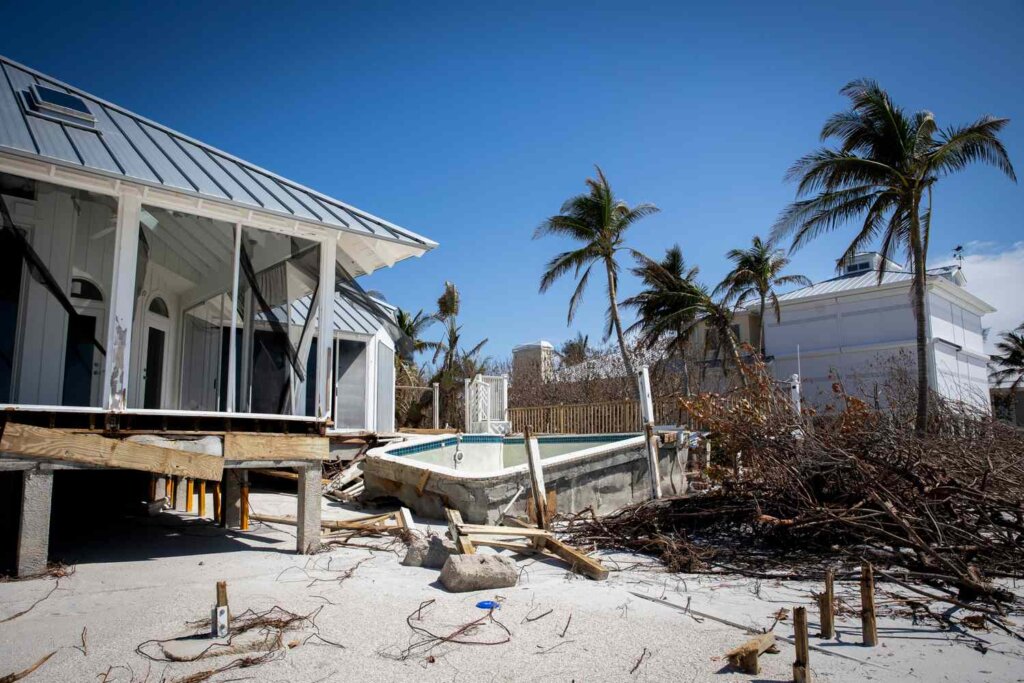
Selling a house with damage can feel overwhelming, especially when repairs are expensive, the property has been sitting vacant, or the home may not qualify for traditional financing. In Southwest Michigan, damage can come from harsh winters, roof leaks, basement moisture, plumbing failures, old electrical systems, fire damage, foundation issues, or years of deferred maintenance.
The good news is that you do not always have to fix everything before selling. You may be able to repair the home before listing, sell it as-is through an agent, sell it without a realtor, or compare a direct cash offer from a local buyer like I Buy SW MI.
Quick Answer
You can sell a damaged house in Southwest Michigan by first understanding the type of damage, estimating whether repairs are worth the cost, comparing an as-is listing with a direct cash offer, and choosing the option that best fits your timeline, equity, and stress level. Serious damage may reduce price, but it does not always prevent a sale.
1. Understand the Type of Damage Before Choosing a Selling Strategy
Not all property damage affects a sale the same way. Cosmetic issues may be manageable for traditional buyers, while structural, water, roof, fire, or foundation damage can make financing, inspections, insurance, and buyer confidence more complicated.
Common damage issues in Southwest Michigan homes include:
- Roof leaks or missing shingles
- Basement water intrusion
- Mold or moisture concerns
- Fire or smoke damage
- Frozen or damaged plumbing
- Outdated electrical systems
- Foundation cracks or bowing basement walls
- Damaged flooring, drywall, or ceilings
- Code violations or unsafe conditions
- Unpermitted work or unfinished renovations
A house in Kalamazoo with outdated flooring and peeling paint may still attract regular buyers. A vacant house in Battle Creek with broken windows, water damage, and code notices may need a different selling approach. A lake-area property near South Haven or St. Joseph with storm-related roof damage may require insurance documents, contractor estimates, or a buyer willing to take on repairs.
Before deciding what to do, write down the known issues and collect any repair estimates, inspection reports, insurance claim documents, permit records, or contractor notes you already have.
For deeper guidance on related issues, review these I Buy SW MI resources:
- Selling a house as-is in Southwest Michigan
- Sell a house with water damage in Southwest Michigan
- Sell a house with structural damage in Southwest Michigan
2. Decide Whether Repairs Are Worth the Time and Money
Many homeowners assume they must repair a damaged house before selling. Sometimes that is true. Other times, repairs cost more than they return.
Before spending money, ask:
- Will the repair increase the sale price enough to justify the cost?
- Will the repair help the house qualify for buyer financing?
- Can you afford the repair without creating more financial pressure?
- Will contractors be available quickly?
- Could the project uncover additional problems?
- Are you prepared to manage permits, inspections, and cleanup?
- Do you need to sell quickly because of relocation, foreclosure pressure, probate, divorce, tenant issues, or carrying costs?
Small repairs may make sense if the house is otherwise marketable. For example, fixing a minor plumbing leak, replacing damaged trim, or cleaning up curb appeal may help a traditional listing.
Major repairs are different. Roof replacement, foundation repair, mold remediation, fire restoration, electrical updates, or full plumbing work can become expensive and time-consuming. If you are already dealing with an inherited property, vacant house, rental stress, or financial pressure, taking on major repairs may not be realistic.
That does not mean you have no options. It means you should compare the likely return from repairs against the convenience of selling as-is.
3. Compare Your Selling Options Before Choosing One
A damaged house can usually be sold in more than one way. The right option depends on the home’s condition, your timeline, available cash, local demand, and how much uncertainty you are willing to handle.
| Selling Option | Best Fit | Main Advantage | Main Limitation |
|---|---|---|---|
| Repair before listing | Home has strong retail potential and you have time/money | May attract more traditional buyers | Upfront repair cost, contractor delays, inspection risk |
| List as-is with an agent | Home needs work but can still attract buyers | MLS exposure and possible investor interest | Lower buyer pool, repair negotiations, financing issues |
| Sell FSBO | Seller has time, confidence, and market knowledge | More control over the process | Pricing, paperwork, marketing, and negotiation risk |
| Rent the property | Repairs are manageable and rental demand is strong | Keeps long-term ownership | Landlord duties, tenant risk, maintenance costs |
| Sell to a local cash buyer | Home needs repairs, cleaning, or a simpler sale | No major repairs or repeated showings | Offer may be lower than a fully repaired retail sale |
A direct cash sale is not automatically the best choice. A traditional listing may bring a higher price if the house is in good condition or if repairs are affordable. However, if the property has serious damage, title concerns, code issues, tenants, or a tight timeline, a cash offer can be useful as a comparison point.
To understand the direct-sale process, see how I Buy SW MI buys houses in Southwest Michigan.
4. Be Realistic About Pricing a Damaged House
Pricing a damaged house is different from pricing a move-in-ready home. Buyers will usually account for repair costs, risk, time, contractor availability, and uncertainty.
A simple way to think about value is:
Estimated repaired value – repair costs – buyer risk – selling costs = realistic as-is value
For example, if a house would be worth more after a full renovation, the buyer still has to consider the cost of repairs, holding time, permits, labor, materials, and the possibility that hidden problems may appear after closing.
Damage can also affect buyer financing. Some lender-backed buyers may struggle to purchase a house with serious roof damage, unsafe electrical systems, missing utilities, foundation concerns, or major water damage. That can reduce the buyer pool and affect the final sale price.
This is why homeowners in Kalamazoo, Portage, Battle Creek, Benton Harbor, Niles, Paw Paw, Three Rivers, and nearby Southwest Michigan communities often compare multiple paths before deciding.
5. Be Transparent About Known Damage
When selling a damaged house, transparency matters. Buyers, agents, title companies, lenders, and inspectors may all ask questions about the home’s condition.
In Michigan, sellers should understand applicable disclosure requirements. The Michigan Seller Disclosure Act provides the framework for certain residential seller disclosures. This does not mean every situation is simple, especially if the property is inherited, tenant-occupied, part of a divorce, owned by an estate, or affected by title issues.
This article is for general homeowner education only and is not legal, tax, financial, or real estate advice. If your damaged property involves foreclosure, probate, divorce, tenants, liens, tax issues, title questions, code violations, open permits, or insurance claims, consider speaking with a Michigan real estate attorney, title company, tax professional, housing counselor, local building department, or other qualified professional.
Good documents to gather may include:
- Inspection reports
- Repair estimates
- Insurance claim paperwork
- Contractor invoices
- Permit records
- Code violation notices
- Utility records
- Photos of known damage
- Mortgage, lien, tax, or title documents
Being honest about known problems can reduce confusion, build trust, and help the sale move more smoothly.
Why Damaged Homes Can Be Harder to Sell in Southwest Michigan
Southwest Michigan has many different property types. A damaged home in Kalamazoo may face different challenges than a rural property in Van Buren County, a rental near a college area, or a lake-area house near South Haven or St. Joseph.
Local issues may include:
- Older homes with aging plumbing or electrical systems
- Basement moisture from seasonal weather and drainage problems
- Roof damage from snow, ice, wind, or long-term wear
- Vacant homes that need cleanup or security
- Rental properties with tenant damage or deferred maintenance
- Inherited houses where heirs live out of the area
- Code notices in cities with active property maintenance enforcement
- Homes that may not qualify for traditional buyer financing
For example, the City of Battle Creek explains that its code compliance services help address housing and property maintenance standards, and inspections may be used to identify or verify compliance after reported concerns or violation notices. If your property has a notice from a city, township, or building department, review the notice carefully and speak with the correct local office before assuming what must happen before a sale.
A Realistic Battle Creek Example: Selling a Damaged Vacant House
Imagine a homeowner inherits a vacant house in Battle Creek. The roof is near the end of its life, the basement has moisture, the utilities have been off, and the home needs a full cleanout. The heirs live out of state and do not want to manage contractors, lawn care, insurance, repeated showings, or repair negotiations.
They may have several options.
One option is to clean out the property, turn utilities back on, order inspections, make selected repairs, and list with an agent.
Another option is to list the property as-is and let buyers make offers based on the current condition.
A third option is to request a direct cash offer from a local buyer and compare that offer with the likely net amount from listing.
The best choice depends on repair budget, timeline, title condition, property taxes, family agreement, and the seller’s comfort level with managing the process.
What If the Damage Is Connected to Foreclosure Pressure?
If the home is damaged and you are also behind on mortgage payments, timing matters. Do not ignore lender notices, court notices, sheriff sale notices, tax notices, or letters from your loan servicer.
Before deciding to sell, consider contacting your lender and reviewing available help. The Michigan State Housing Development Authority foreclosure help page recommends contacting a HUD-certified housing counselor early because earlier action may leave more options. HUD also provides a Michigan resource page for homeowners who want to speak with a HUD-approved housing counselor.
Selling may be one possible path, but it is not the only path. Depending on your timing and situation, you may also need to discuss repayment, reinstatement, loan modification, legal options, or housing counseling.
Common Mistakes to Avoid When Selling a Damaged House
Mistake 1: Spending money on the wrong repairs
Not every repair improves your net outcome. Before replacing a roof, repairing a foundation, or starting a full renovation, compare the cost against the likely increase in sale price.
Mistake 2: Hiding known issues
Trying to hide damage can create bigger problems later. It is usually better to document known issues and let buyers make informed decisions.
Mistake 3: Assuming no one will buy the house
Damaged houses can still sell. The buyer pool may be smaller, but investors, contractors, cash buyers, and some as-is buyers may still be interested.
Mistake 4: Pricing the house like a repaired property
A damaged house usually cannot be priced the same way as a fully updated home nearby. Buyers will factor in repairs, risk, time, and financing difficulty.
Mistake 5: Waiting too long when costs are growing
Vacant houses, code notices, insurance costs, taxes, utilities, lawn care, and weather-related damage can add pressure. If the house is becoming more expensive to hold, compare your options early.
How I Buy SW MI May Help With a Damaged House
I Buy SW MI helps homeowners in Southwest Michigan explore a direct as-is sale when a traditional listing may be difficult, expensive, or stressful.
The process is simple:
Step 1: Share Property Information
You share basic details about the property, location, condition, known damage, and your preferred timeline.
Step 2: Property Review
I Buy SW MI reviews the property details and may schedule a visit or walkthrough to better understand the current condition.
Step 3: Receive a Cash Offer
If the property is a fit, I Buy SW MI may present a cash offer based on condition, location, repair needs, resale potential, title situation, and seller goals.
Step 4: Compare Your Options
You can compare the offer with other choices, such as repairing before listing, selling as-is with an agent, renting, keeping the property, or selling another way.
Step 5: Move Toward Closing if Accepted
If you accept the offer, the sale moves toward closing through the appropriate title or closing process on an agreed timeline.
This option may be helpful if you want to avoid repairs, cleaning, repeated showings, contractor management, or a long traditional listing. However, it may not produce the same price as a fully repaired retail sale.
FAQs About Selling a Damaged House in Southwest Michigan
Q. Can I sell a damaged house in Southwest Michigan as-is?
Yes, you can often sell a damaged house as-is in Southwest Michigan. Selling as-is means you are not agreeing to complete repairs before closing. However, buyers may still inspect the home, ask questions, and price their offers based on the condition.
Q. Do I have to repair my house before selling it in Michigan?
Not always. Some homeowners repair before listing because it may attract more traditional buyers. Others sell as-is because repairs are too expensive, the timeline is too tight, or the house has major issues like water damage, roof damage, fire damage, or foundation problems.
Q. Will a damaged house sell for less?
Usually, yes. A damaged house often sells for less than a similar repaired home because buyers consider repair costs, risk, financing issues, and time. The exact difference depends on location, damage severity, buyer demand, and whether the home can qualify for traditional financing.
Q. Can I sell a house with water damage in Kalamazoo, Battle Creek, or Benton Harbor?
Yes, houses with water damage can still sell. The best selling strategy depends on the cause of the water damage, whether mold is present, whether repairs are needed, and whether the buyer is using financing or cash. You can repair first, list as-is, or compare a direct cash offer.
Q. Can I sell a house with code violations?
A house with code violations may still be sold, but the violations can affect buyer interest, price, closing requirements, and responsibility for repairs. Contact the local city, township, or building department to understand the notice. A Michigan real estate attorney or title company may also be helpful if fines, liens, permits, or legal issues are involved.
Q. Is a cash buyer a good option for a damaged house?
A cash buyer may be a good option if the home needs major repairs, has financing issues, is vacant, has tenants, has code issues, or needs to be sold with less preparation. It is still smart to compare the offer with a traditional listing, as-is listing, repair plan, or rental option before deciding.
Q. How do I know whether to repair or sell as-is?
Start by estimating repair costs, likely after-repair value, timeline, carrying costs, and your ability to manage the work. If the repairs are affordable and likely to increase your net sale price, repairing may make sense. If repairs are too expensive or stressful, selling as-is may be more practical.
Selling a Damaged House in Southwest Michigan Starts With Comparing Your Options
Selling a damaged house in Southwest Michigan does not always mean you have to spend thousands on repairs before moving forward. The better choice depends on the damage, your timeline, your budget, the local market, title condition, and how much uncertainty you are willing to manage.
Before deciding, compare your realistic options: repair before listing, sell as-is with an agent, sell without a realtor, rent the home, keep it, or request a direct cash offer.
If selling as-is without repairs, cleaning, repeated showings, or a traditional listing appears to fit your situation, I Buy SW MI can review your Southwest Michigan property and provide a cash offer for you to compare with your other selling options.